
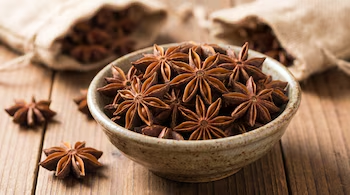
Star Anise: A Treasure Beyond the Kitchen
The star anise (Illicium verum) is not merely a flavorful addition to dishes but a powerhouse of health benefits. Traditionally used in Asian medicine for over a millennium, recent scientific studies confirm its medicinal prowess, showcasing 201 bioactive compounds that possess antimicrobial, antioxidant, and anti-inflammatory virtues.
Medicinal Properties Unveiled
Originating from southwest Asia, this aromatic spice is now pivotal in the production of one of the world’s most commonly prescribed antivirals, Tamiflu, whose active ingredient is derived from shikimic acid. This compound can make up to 25% of the dry weight of certain star anise species, making it a focal point for antiviral research.
The World Health Organization (WHO) recognizes star anise as the sole specific recommendation against the avian flu subtype H5N1, underscoring its global importance in infectious disease management.
A Natural Antibacterial Agent
Star anise essential oil (SAO) constitutes approximately 9% to 10% of the fruit’s weight, predominantly composed of trans-anethole, which is responsible for its significant antibacterial properties. Recent studies indicate that this oil can inhibit various pathogenic bacteria, including Staphylococcus aureus and Escherichia coli, with remarkable effectiveness against multi-drug resistant strains.
The Antifungal and Antimold Champion
Not limited to antibacterial activity, the essential oil of Illicium verum also demonstrates potent antifungal properties. It can effectively combat fungi like Candida albicans and Aspergillus flavus, making it valuable in food preservation and health applications.
Culinary Uses and Precautions
Star anise is a crucial component of the famous Five Spice blend and enriches various dishes such as Vietnamese pho and Indian biryani. However, it is vital to differentiate between Illicium verum and its toxic cousin, Illicium anisatum, which can cause severe neurotoxic effects.
Consumption Methods
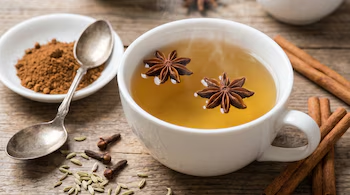
- Infusion: Crush one to two pods, steep in hot water for 10-15 minutes.
- Decoction: Boil three to four pods in 300 mL of water until reduced by half for digestive relief.
- Ground Use: Typically 0.5 to 3 grams daily.
- Culinary Use: Add one or two stars to soups and marinades.
Due to safety concerns regarding misidentification, consumption in infants is contraindicated. When utilized wisely, star anise serves as a remarkable tool for health and flavor, embodying nature’s pharmacy within a culinary delight.