
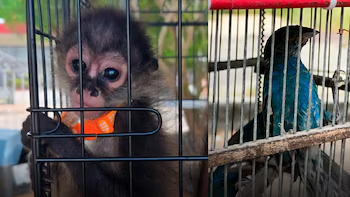
Profepa’s Operation Against Illegal Wildlife Trafficking
The Federal Attorney for Environmental Protection (Profepa) has launched a significant operation targeting illegal wildlife trafficking across several states in southeastern Mexico, including Chiapas, Oaxaca, Quintana Roo, Yucatán, Campeche, Veracruz, and Tabasco. This initiative aims to strengthen surveillance and combat the illegal extraction, transportation, and commercialization of wildlife in the region.
Breeding Season and Increased Trafficking Risks
This operation coincides with the breeding season of various wild species, particularly psittacidae (parrots, parakeets, macaws), during which illegal extractions often escalate. To mitigate this, Profepa intensified inspections across markets, roads, airports, seaports, and fiscal precincts, in collaboration with the National Guard, Sedena, and state authorities.
Operation Achievements
The results are noteworthy: a total of 119 vehicles were inspected, leading to the seizure of at least 482 wildlife specimens, which included psittacines, chelonians, spider monkeys, margays, and jaguars. Additionally, protected flora, such as orchids, bromeliads, and cacti, also faced scrutiny during the operations.
State-Specific Activities
Campeche
In Campeche, awareness activities were conducted, and Participatory Environmental Surveillance Committees were established, promoting prevention and monitoring in designated conservation areas.
Chiapas
Chiapas operations included vehicle inspection filters in Tonalá, resulting in no irregularities detected, along with the rescue of a margay (Leopardus wiedii), which is being assessed for care.
Oaxaca
In Oaxaca, inspections of local establishments uncovered illegal possession, leading to the seizure of a spider monkey (Ateles geoffroyi), two parrots, and five parakeets, involving 32 personnel from the National Guard and Profepa.
Quintana Roo
At Cancun International Airport and Port of Puerto Morelos, wildlife product documentation was verified, particularly focusing on crocodile and shark skins.
Tabasco
In Tabasco, 53 fauna specimens were secured, including psittacines and turtles, during various inspections at markets and roadside checkpoints.
Veracruz
A surprise operation in Veracruz led to the identification of 420 specimens of protected flora, primarily orchids, cacti, and bromeliads, along with three goldfinches under conservation regulations.
Yucatan
In Yucatan, following a citizen complaint at the Tianguis San Roque, a spider monkey rescue was executed, leading to the discovery and seizure of a jaguar (Panthera onca) confined unlawfully.
Conclusion: A Unified Effort for Biodiversity Conservation
This regional operation demonstrates a robust collective effort to reinforce surveillance in strategic areas within the Mexican southeast. It effectively secures wildlife specimens and products that conflict with environmental safeguards. Additionally, it underscores the importance of public awareness in preserving biodiversity and emphasizes the need to report illegal trafficking practices.