
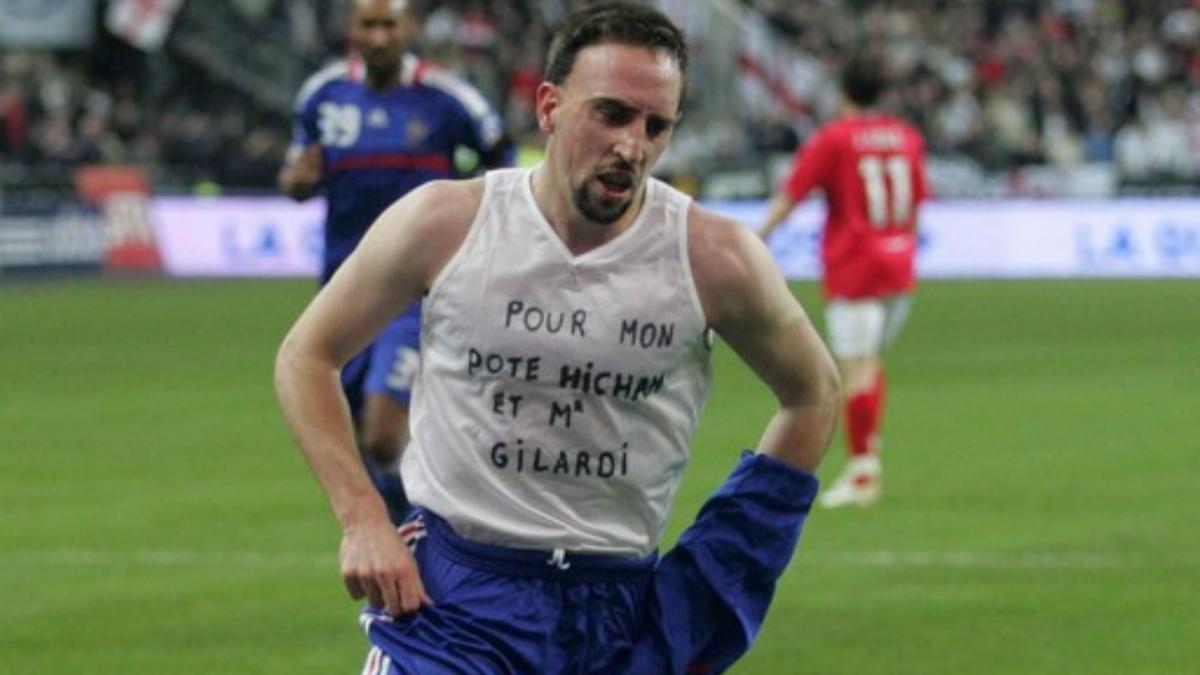
Franck Ribéry Strikes Back at Raymond Domenech
This Wednesday, Netflix released a documentary detailing the infamous 2010 World Cup disaster involving the French national team. In this film, pivotal figures from that tumultuous time in South Africa spoke out, including Raymond Domenech, the then-head coach. The documentary sheds light on the controversies and decisions that led to one of France’s most embarrassing outings in football history.
The Documentary’s Impact
The documentary does not shy away from addressing the complexities and tensions that marred the team’s performance. Domenech’s tenure as coach remains a polarizing topic among fans and analysts alike. His decisions during the 2010 World Cup are often critiqued, and the documentary provides a platform for him to justify his actions and reflect on the fallout.
Ribéry’s Concise Reaction
Following the film’s release, Franck Ribéry, one of the squad’s key players at the time, took to social media to respond to Domenech’s comments. Posting on his X account, Ribéry’s message was short yet impactful: “Mamamiaaaa Domenech… I love you very much. Just…I’ll save the real story for later. Come on ciao bello”. This post has stirred up reactions across social media and set the stage for further discussions on the events that unfolded during that fateful tournament.
The Context of Their Relationship
Ribéry and Domenech’s relationship has been characterized by tension and disagreement. While Ribéry was often seen as a beacon of hope for the team’s performance, Domenech’s coaching style and tactics frequently drew criticism. The World Cup was the peak of these tensions, resulting in a series of events that culminated in France’s early elimination.
A Divisive Legacy
Domenech’s legacy as coach is mired in controversy. Many argue that his decision-making led to a toxic atmosphere within the squad, and Ribéry’s message seems to hint that there are deeper stories yet to be told. Fans are left to wonder what those truths may be and how they could alter public perception of that infamous period in French football.
What Comes Next?
The release of the Netflix documentary and Ribéry’s pointed comments are likely to reignite discussions about the 2010 World Cup and its aftermath. As viewers digest the content of the documentary and analyze the ensuing reactions, it becomes clear that the story is far from over. Ribéry’s implication of untold truths keeps the door open for future revelations, making the entire saga one to watch closely.
Conclusion
As France looks forward to future international tournaments, the shadows of the past, particularly the 2010 World Cup fiasco, will undoubtedly remain a topic of discussion. With figures like Ribéry openly sharing their thoughts and possibly hinting at undisclosed narratives, football fans around the world can look forward to a deeper exploration of one of the sport’s most intriguing chapters. The journey from that dark moment to the current state of French football will be crucial in understanding how far the team has come and the lessons it has learned along the way.