
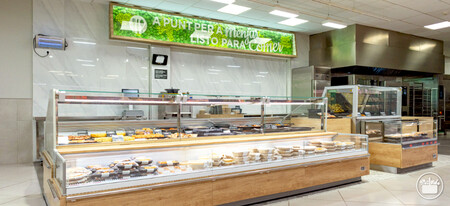
## The Shift from Bars to Supermarkets in Spain
The landscape of meal options in Spain is shifting dramatically. Since the “menu of the day” was officially recognized 61 years ago during Manuel Fraga’s tenure, bars have been the go-to for workers, travelers, and families seeking affordable and quick meals. This triumvirate—time savings, good prices, and convenience—has been the backbone of Spain’s hospitality industry. However, the same clientele that once flocked to bars is increasingly turning to supermarkets, seeking better prices and greater flexibility in their meal choices.
### Hospitality Industry’s Response
Hoteliers are understandably riled, as they witness a changing consumer landscape. They are leveraging regulation as their primary weapon in this fight to retain customers. The recent General Assembly of Hospitality of Spain highlighted concerns over chains like Mercadona and Alcampo, which have entered a previously secure domain for bars—prepared food sales.
The president of Hospitality of Spain, José Luis Álvarez Almeida, called attention to this emerging competition. Large grocery chains are not only selling prepared meals but some even feature dining areas for customers to consume their purchases within the store. Almeida argues that this model resembles that of bars too closely and poses an unfair competitive advantage.
### Unpacking “Unfair Competition”
Almeida’s remarks resonate strongly within the sector. The debate over whether supermarkets’ food offerings constitute unfair competition is fueled by growing frustration. Most notably, hotels argue that supermarkets should adhere to the same regulations that govern restaurants. They contend that businesses that provide dining spaces should possess specific licenses, akin to traditional bars.
### The Merchant Evolution
This predicament is not merely about pricing but also about the evolving consumer expectations. Supermarkets have transitioned towards a merchant-focused model, where customers are invited to choose fresh, steaming meals directly from counters packed with options. This concept moves beyond pre-packaged offerings and invites a dining experience within the grocery store, further encroaching on the territory traditionally occupied by bars and restaurants.
### The Menu Dilemma
This change particularly complicates life for bars that rely heavily on the “menu of the day.” As these establishments grapple with profit margins, they now face stiff competition from Mercadona’s pricing strategies. A notable shift is occurring: consumers prioritize practicality and speed, opting for options like those offered in supermarkets.
For instance, a gym instructor recently stated, “Although they pay for my food, this is more practical and faster,” illustrating how convenience is winning over traditional dining experiences.
### The Growth of Ready-to-Eat Meals
The statistics are revealing. In 2025, Mercadona’s turnover from its “Ready to Eat” section reached around 700 million euros, only a fraction of its overall sales exceeding 41.8 billion euros. This segment is experiencing rapid growth, with ready meals accounting for nearly 51.2% of the market share in prepared foods.
As trends shift, it’s crucial to recognize the increasing number of consumers—6.9 million—who choose to purchase food for consumption outside their homes, with 1.3 million enjoying meals directly in-store.
### The Future: A Zero-Sum Game?
The pressing question remains: will the growth of supermarket-prepared food come at the expense of traditional bars? The hospitality sector fears that societal trends—such as the decline in home cooking—will reshape culinary experiences profoundly. Juan Roig, CEO of Mercadona, provocatively predicts that, within decades, home kitchens may become obsolete.
As the contest between hospitality and grocery chains intensifies, how this battle unfolds in the face of changing consumer preferences remains an open question.
—
### Conclusion
The competition between bars and supermarkets is redefining Spain’s dining landscape. While bars have historically served as pillars of affordable, quick meals, the rise of supermarkets blurs these lines. The hospitality industry must adapt to remain relevant as consumer preferences shift toward convenience and practicality. As this battle continues, it will shape the future of dining in Spain fundamentally.