Current Surge of Dengue Cases in Honduras
Honduran health authorities have sounded the alarm as they report an alarming rise in suspected dengue cases. The Ministry of Health (SESAL) indicates that as of now, the country has identified 3,035 suspected cases of dengue, necessitating heightened surveillance across various regions.
Understanding the Current Situation
Among the confirmed figures:
- 2,285 cases are categorized as dengue without warning signs.
- 698 cases present warning signs.
- 52 cases have escalated to severe dengue.
Fortunately, there have been no reported deaths linked to the virus so far, thanks to early interventions in hospitals and health centers.
The Threat of DENV-3 Serotype
One primary concern is the emergence of the DENV-3 serotype, recognized for its severe manifestations. Health professionals warn it poses increased risks, especially to individuals who have previously battled dengue. Dr. Carlos Umaña, a notable health figure, has cautioned about the potential for a significant surge in infections if communities do not unify their preventive efforts.
Climate as a Contributing Factor
Favorable Weather for Mosquito Proliferation
The current climatic conditions in Honduras are conducive to the reproduction of the Aedes aegypti mosquito, the primary vector for the dengue virus. Reports from various national sources underscore the persistent growth of cases, especially in regions like Francisco Morazán, Cortés, Yoro, and Choluteca. These areas are considerably burdened by inadequate environmental sanitation and intermittent water accumulations.
Symptoms to Watch For
The Ministry of Health emphasizes recognizing the early stages of dengue:
- High fever
- Intense headache
- Pain behind the eyes
- Muscle or joint discomfort
Alarming symptoms include severe abdominal pain, persistent vomiting, and a marked decrease in urination, which necessitate immediate medical attention.
Preventive Measures and Actions
Sharpening Community Involvement
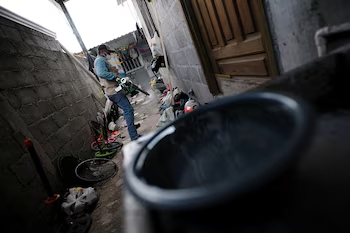
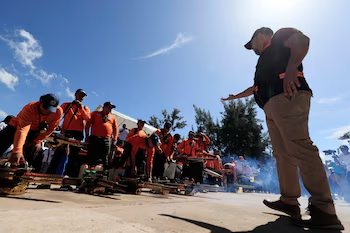
Health officials stress that the fight against dengue should encompass not only health authorities but also local governments and citizens. It’s imperative that municipalities enhance cleaning operations and eliminate breeding sites, while the Ministry of Health intensifies fumigation and vector control initiatives in areas affected by high infection rates.
Key Steps for Individuals
To combat the proliferation of transmitters:
- Dispose of unused containers.
- Remove accumulated tires and bottles.
- Ensure water tanks are covered and clean.
- Maintain gutters to prevent stagnant water accumulation.
Conclusion
In recent weeks, health brigades have intensified fumigation and epidemiological surveillance to curb the spread. Experts believe that community education is critical in averting a resurgence akin to previous years. The fight against dengue necessitates collective commitment; prevention should remain an integral part of household activities to significantly reduce mosquito populations and associated health risks.