
The Inflation Surge in Colombia
The rise in annual inflation in Colombia reached 5.68% in April 2026, as reported by the National Administrative Department of Statistics (DANE). This increase was largely driven by a spike in the prices of essential foods, surpassing the 5.56% inflation recorded in March.
Key Contributors to Inflation
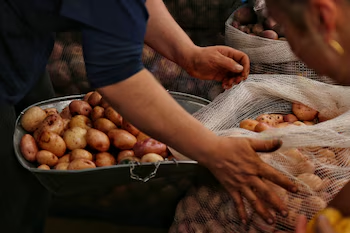
Among the categories significantly impacting inflation are accommodation, utilities, and food, which together exert considerable weight in the consumer basket. Potatoes, tomatoes, and cassava have become notable contributors to rising prices.
Factors Behind the Price Increases
Minister of Agriculture, Marta Carvajalino, highlighted several worrying reasons for the price hikes, citing climatic factors, escalating production costs, and increased fertilizer prices triggered by ongoing conflicts in the Middle East.
Climatic Influences on Agriculture
Unexpected weather patterns, including heavy rains and cold fronts at the beginning of the year, have severely disrupted agricultural production cycles. Carvajalino explained that these climatic conditions have led to delays in crop harvesting and planting, adding to the upward pressure on prices.
Increasing Input Costs
The rising cost of fertilizers has been particularly pronounced. Carvajalino noted, “The war in the Middle East is already beginning to be felt because we see increases in our fertilizers.” The situation underscores the interconnectedness of global conflicts and local food prices.
Government Response to Mitigate Impact
In response to these challenges, the Colombian government is implementing several measures aimed at supporting small and medium producers while cushioning consumers from the brunt of the inflationary pressures.
Subsidies and Strategic Purchases
To alleviate the effects on farmers, the government is providing subsidies for agricultural inputs. Under the FAIA program, direct subsidies of 30% for conventional fertilizers and 40% for biofertilizers are being offered. Additionally, a significant state purchase of fertilizers is underway to preempt further price increases in the latter half of 2026.
Infrastructure Improvements
The Ministry of Agriculture is also promoting water storage projects and enhancing irrigation infrastructure, especially beneficial for those producers most vulnerable to climate risks. Such initiatives aim to bolster local food production capacity amidst growing uncertainties.
Impacts on Essential Food Products
As essential staples in the Colombian diet, the price increases of agricultural products not only affect consumers but also have a domino effect on the cost structure of the entire basic goods basket. Notable products experiencing price surges include:
- Mora of Castile
- Common lemon
- White bighead onion
- Common handle
- Tree tomato
- Green pea in pod
- Carrot
Conclusion
The future trajectory of food prices in Colombia will depend heavily on both domestic agricultural conditions and international developments. Continuous monitoring and proactive strategies will be essential to mitigate the hardships that may arise for consumers and producers alike.