
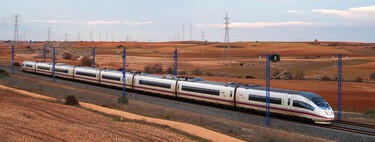
Renfe’s Workshop Dilemma: The Cost of Compliance
Renfe, the Spanish railway operator, faces a significant operational challenge. In an unexpected turn, the CNMC (National Commission on Markets and Competition) mandated that Renfe must relinquish portions of its workshops to allow Iryo, an Italian high-speed rail competitor, to conduct its heavy maintenance. This decision is rooted in the competitive landscape created by the entry of both Ouigo and Iryo into Spain’s rail system.
Background
As Renfe prepared for the arrival of these competitors, it acknowledged that it would be required to share its facilities. However, the arrangement initially allowed only for “level 1” maintenance—essentially light maintenance tasks. More recently, Renfe raised concerns that Ouigo was conducting heavier maintenance outside of their agreed terms, leading to its refusal to accommodate Iryo’s similar requests.
In response, the CNMC stepped in, asserting that not complying would jeopardize Iryo’s business strategy, giving Renfe an unfair competitive edge. Although Renfe has filed an appeal, the National Court has temporarily upheld the CNMC’s decision.
What’s at Stake for Renfe?
Renfe is grappling with multiple repercussions from this decision. The company recognizes that opening its facilities to Iryo will significantly impact its maintenance capacity. This could lead to fewer operational trains, straining its ability to provide regular public services.
According to Renfe, this change could mean a reduction of around 1.2 million available seats across its network. With a projected income decrease of up to 60 million euros, the company faces a fiscal and logistical crisis, as operational efficiency takes a hit.
Impacts on Daily Operations
Specifically, the most financially lucrative corridor—the Madrid-Barcelona route—will see a decrease in service. Two daily trains in each direction could be cut, leading to a 10% decrease in available seats. This translates to approximately 650,000 kilometers no longer traveled and 1,100 routes eliminated annually.
Other affected routes include trains servicing Galicia, Huelva, and the Basque Country, with an estimated 3,300 train routes lost, resulting in 800,000 fewer seats. Consequently, Renfe anticipates losing 16 operational trains daily on these vital lines.
The Injustice Perception
There’s a looming sense of grievance within Renfe and the Ministry of Transportation. The company feels it is shouldering an unfair burden, particularly when Ouigo and Iryo operate at their discretion, focusing only on the routes they deem profitable. In contrast, Renfe is obliged to serve routes with uncertain economic viability, leading to a perception of bias in market regulation.
Future Considerations
The regulatory environment is fraught with complexities. As underscored by the confused definitions of “light” and “heavy” maintenance in the EU, distinguishing operational responsibilities remains a contentious issue. Iryo’s plans to establish its own maintenance workshops never materialized, further complicating matters.
In summary, the financial implications and operational constraints imposed on Renfe by the CNMC underscore a delicate balance in the competitive rail market. As the situation evolves, stakeholders will need to navigate these challenges to maintain service standards and operational viability.