
Sondra Macollins Confronts Paloma Valencia: A New Era of Presidential Debates in Colombia
The Innovative Debate Strategy
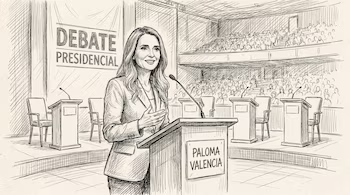
On May 5, 2026, presidential candidate Paloma Valencia showcased a groundbreaking approach to campaigning by hosting an artificial intelligence-backed debate that quickly captured the attention of social media. The event, designed in a television format and featuring a presenter, aimed to present Valencia’s ideas without the participation of her main rivals, Iván Cepeda and Abelardo de la Espriella. However, this unconventional strategy sparked controversy and criticism, particularly from fellow candidate Sondra Macollins.
Sondra Macollins’ Critique
As Valencia’s broadcast gained traction online, Macollins took to her X account to express her disapproval. She accused Valencia of being “late” in adopting what she perceived as a copy of Macollins’ own campaign strategy, which included an earlier debate with citizens. Macollins emphasized the need for genuine conversations, suggesting that Valencia should rely less on artificial intelligence and more on real interaction with voters. Her tweet contained a photo highlighting her previous debates, framing her approach as authentic in contrast to Valencia’s digital presentation.
Public Debate Invitation
In a move designed to heighten electoral tensions, Valencia, alongside her running mate Juan Daniel Oviedo, extended a formal invitation to a public debate, addressed to both Abelardo de la Espriella and José Manuel Restrepo. This invitation was underscored by a clear urgency communicated in their letter: “the time has come to discuss with Colombians what we propose for Colombia and how we are different.” This statement highlighted the importance of presenting contrasting visions and ideas as the election day looms.
The Call for Transparency
Valencia and Oviedo’s letter included pointed criticism towards those candidates who have shied away from public debate, specifically calling out Iván Cepeda for avoiding such opportunities. They argued that this behavior undermines democracy and deprives voters of a vital aspect of the electoral process: the chance to witness candidates face challenging questions and defend their proposals. The duo made an assertive call to action, urging their rivals to engage in meaningful discussions rather than prolonging avoidance.
Logistical Details and Readiness
The letter not only served as a challenge but also detailed logistical intentions for the proposed debate. Valencia and Oviedo assured that their teams would swiftly coordinate the date and rules, demonstrating their commitment to facilitating this crucial interaction. This readiness positioned them as advocates for open and direct debate in an increasingly competitive electoral landscape.
The Impact on Electoral Dynamics
The response to Valencia and Oviedo’s invitation has intensified calls for public debates, as many see it as essential for voters to witness the exchange of ideas transparently. With the first round of elections approaching, there is mounting pressure on all candidates to engage sincerely and clarify their positions. The contention between candidates serves to reshape the dynamics of the Colombian electoral process and sets the stage for a more informed electorate.
Conclusion: The Future of Debates in Colombia
As the political discourse continues to evolve, the confrontations—both direct and through social media—among candidates like Sondra Macollins and Paloma Valencia indicate a shift towards more engaging and publicly accessible debate formats. The urgency expressed for a genuine discussion among candidates underscores a collective recognition of voters’ rights to clarity and accountability. As the election approaches, the question remains: Will all candidates rise to the occasion and commit to a transparent dialogue with the electorate?