
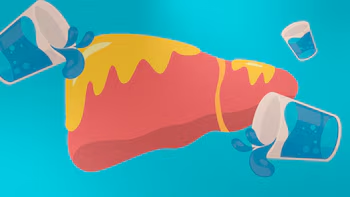
Understanding Fatty Liver
Fatty liver is becoming increasingly prevalent, particularly during intense heat. While heat itself doesn’t cause fatty liver, it can exacerbate the condition. In hot weather, the liver works harder to maintain balance in the body, making it crucial to adopt measures to prevent complications and safeguard liver health.
The Impact of Heat on Liver Function
High temperatures lead to increased sweating, resulting in rapid fluid and electrolyte loss. This dehydration impairs the liver’s ability to eliminate toxins and waste, increasing the risk of inflammation and damage, particularly for individuals with fatty liver or nonalcoholic steatohepatitis (NASH). In extreme heat, liver enzymes may also become altered, affecting how medications are processed in the body.
Common Habits That Can Harm Liver Health in Heat
During summer months, lifestyle changes can adversely affect liver health, including:
- Dehydration: Excessive sweating reduces water available for toxin processing.
- Increased Oxidative Stress: Heat raises free radical production and inflammation in the liver.
- Functional Overload: The liver faces added pressure managing medications and toxins during extremely hot conditions.
- Poor Nutrition: Diets high in fatty and sugary foods and increased consumption of alcoholic beverages often occur in the summer months.
- Sedentary Lifestyle: Hot weather can discourage physical activity, potentially leading to weight gain and a worsening liver condition.
Recommendations for Protecting Your Liver
To mitigate complications and keep fatty liver under control in hot weather, consider the following strategies:
Hydration and Nutrition
- Stay Hydrated: Drink water consistently throughout the day, even if you’re not thirsty.
- Electrolyte Replenishment: Incorporate natural juices or low-sugar sports drinks to replace lost electrolytes.
- Avoid Dehydrating Beverages: Limit intake of alcohol and caffeinated drinks, which can worsen dehydration.
- Choose Healthy Foods: Emphasize fresh fruits, vegetables, and lean proteins while limiting saturated fats, processed foods, and sugars.
- Regular Eating Patterns: Maintain regular meal times and avoid overeating.
Lifestyle Adjustments
- Seek Shade: Stay in cool, shaded areas during the hottest times of the day.
- Dress Appropriately: Wear light, loose-fitting clothing to minimize heat stress.
- Sunscreen Application: Use sunscreen to protect skin and reduce the liver’s burden from sun damage.
Physical Activity
- Stay Active: Engage in light exercise during cooler parts of the day, such as morning or evening.
- Avoid Sedentary Behavior: Counter the urge to remain inactive even on hot days.
Recognizing Warning Signs
Be vigilant for symptoms indicating possible heat complications or liver damage. These may include:
- Dizziness
- Nausea and vomiting
- Headaches
- Confusion or disorientation
- Rapid heartbeat
- Extreme heat sensation
- Fainting spells
- Seizures
If experiencing any of these, seek medical attention promptly. If persistent fatigue, right-sided abdominal pain, or itching arises, a consultation with a healthcare professional is essential for managing fatty liver effectively, particularly during heat waves.
Conclusion
Taking care of fatty liver amid intense heat requires adopting healthy habits, ensuring adequate hydration, and staying vigilant for warning symptoms. While heat can present challenges, through preventive measures, it’s possible to maintain liver health and manage existing conditions effectively.