
## Pochettino’s Decision to Substitute Messi: A Closer Look
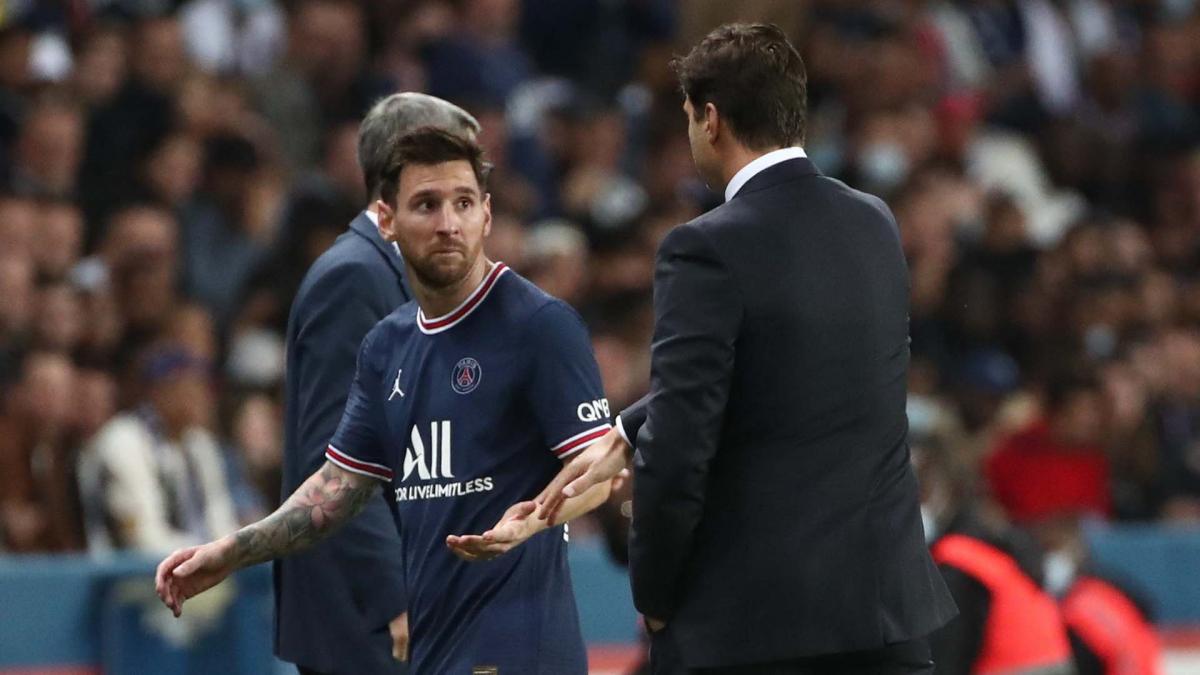
When Mauricio Pochettino was at the helm of Paris Saint-Germain (PSG), one particular moment became a lightning rod for criticism: his decision to substitute Lionel Messi during a match against Olympique Lyonnais (OL). This incident reverberated throughout the international press, leading to various interpretations and opinions from football experts and fans alike.
### Context of the Substitution
Reflecting on this controversial decision in a podcast with Gary Neville, Pochettino explained, “Every decision you make at a club like PSG has an external impact. Remember when I released Leo Messi? I took him out because the doctor told me he had a knee problem.” This insight clarifies that there was a medical rationale behind his choice, rather than a purely tactical or personal motivation.
### Preserving Messi for Greater Goals
Pochettino further elaborated on his thought process, emphasizing that his primary intention was to preserve Messi’s fitness for larger objectives. “My first intention was to preserve it because I was thinking about the Champions League, etc. If I had not made this decision, he could have injured himself, which would have repercussions on his participation in the 2022 World Cup in Qatar,” he stated.
This perspective highlights the burden of leadership in high-stakes situations, especially at a club renowned for its demanding fanbase and expectations. Pochettino made the difficult decision, prioritizing long-term considerations over immediate reactions from the crowd.
### The Fallout: Criticism and Misunderstandings
Despite the justification, Pochettino faced a torrent of criticism in the wake of the substitution. Pundits and fans alike were quick to point out that another manager, like Pep Guardiola, would have likely opted to keep Messi on the field, leading to comments such as, “Pochettino doesn’t understand that Messi must always stay on the pitch.”
Pochettino described this backlash as unfair, noting that “these kinds of comments quickly give a negative image, without you really being able to do anything about it.” He emphasized that there was never any animosity between himself and Messi, countering narratives that misunderstood the dynamics of their professional relationship.
### Leadership in Football: Striking a Balance
Pochettino’s situation sheds light on the complex nature of coaching elite athletes. Decisions must often be made in the context of both immediate game demands and long-term player welfare. A manager’s authority can be questioned through the lens of public scrutiny, yet the delicate balance between leadership and understanding player needs is crucial.
### Conclusion: A Learning Experience
In retrospect, the incident involving Messi serves as a learning experience for both Pochettino and the broader football community. It illustrates the challenges that coaches face when navigating the expectations of star players, club ambitions, and health concerns. As fans and analysts continue to debate the merits of such decisions, one thing remains clear: leadership in football entails making tough choices that may not always resonate well with everyone, but are ultimately aimed at greater goals.