
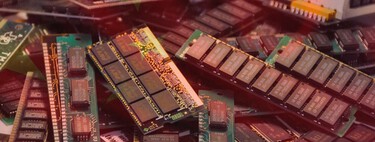
The RAM Crisis: A Boon for Samsung
The RAM shortage dominating the tech landscape in 2026 is a bittersweet scenario. With Samsung, SK Hynix, and Micron controlling 90% of global DRAM production, the capacity can only fulfill approximately 60% of projected demand. While this presents challenges for consumers reliant on memory products, it simultaneously paves a golden path for industry giants like Samsung.
Stellar Financial Results
Samsung Electronics recently released its first-quarter financial report for 2026, unveiling a staggering revenue of 133.9 trillion won. This figure marks its highest quarterly revenue to date, representing a robust 43% increase compared to the previous quarter. The Device Solutions Division, which encompasses Samsung’s memory business, has outperformed expectations, exhibiting an 86% growth in sales, accompanied by a record in operating profit.
Factors Driving the Boom
The remarkable surge in sales can be attributed to higher demand, paired with rising sales prices across the industry. Samsung has recognized that this boom isn’t just a fleeting moment; it responds directly to escalating needs for advanced technologies, including graphics processing units (GPUs) and central processing units (CPUs). The company anticipates that advancements in agentic AI will further fuel demand for DRAM and other memory solutions.
The Implications of the RAM Crisis
The current RAM crisis isn’t an isolated incident; it signifies a systemic shift within the tech industry. Samsung’s unprecedented growth highlights a changing landscape where the prices of consumer goods—from laptops to smartphones—will likely see a permanent increase. This crisis compels companies that have historically avoided memory production to rethink their strategies; electric vehicle manufacturer Tesla, for example, may soon explore memory chip manufacturing.
Samsung’s Dominance and Future Prospects
Samsung has always played a critical role in semiconductors and memory production, but its dominance has reached new heights. Currently, the memory division contributes to 94% of the company’s total operating profit. This substantial financial influence underscores Samsung’s newfound power within an industry that has long been competitive but now appears tilted in favor of a select few.
What’s Next for Samsung’s Mobile Division?
Despite the impressive growth of its memory division, Samsung highlights its commitment to the mobile phone sector as well. The DX division, which includes smartphones, experienced a 19% growth with enhanced sales and profitability relative to the prior quarter. While the company anticipates a potential decline in revenue next quarter, Samsung is steadfast in focusing on its high-end, foldable, and A series smartphones.
Conclusion
The RAM crisis of 2026 may pose challenges for consumers, but it unequivocally serves as a launchpad for Samsung’s resurgence in the tech industry. With memory products becoming more vital than ever and demand surging, Samsung is not only weathering the storm; it’s rising to the occasion, poised to dominate the tech landscape for years to come.