
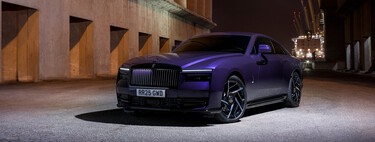
One hundred buyers have paid 3.5 million dollars for a Rolls-Royce that does not exist, that they have not seen, and about which they know very little. The most astonishing aspect is that many other millionaires would have been willing to pay even more to be part of this exclusive group of owners.
The British brand has been transforming the inaccessible into the ultimate aspiration for a century. Their latest venture, Project Nightingale, showcases how the luxury carmaker uses the FOMO (Fear of Missing Out) phenomenon among millionaires to promote its new Rolls-Royce Coachbuild Collection. This concept revolves around exclusive cars manufactured individually by hand, where the first luxury is knowing that no one will be able to buy one like it.
Do Things Like Yesterday, With Tomorrow’s Technology
Project Nightingale is not merely a car; it encompasses a collection of fully customized and handcrafted bodies. The resulting vehicle, dimensionally akin to a Phantom, accommodates just two passengers. Its design draws inspiration from the 16EX and 17EX prototypes developed in the 1920s and is named after “Le Rossignol,” the villa belonging to co-founder Henry Royce on the French Riviera.
The new model is set to run on a completely electric platform. According to an official note from Rolls-Royce, “the quiet, effortless delivery of power amplifies every characteristic that has defined the Rolls-Royce experience for over a century.” Remarkably, the initial 100 units of this luxury electric concept have already been sold, with deliveries anticipated to commence in 2028.
We now view handcrafted production as an eccentricity, but it was the norm until Henry Ford revolutionized mass automobile production. Until the late 1940s, all Rolls-Royce vehicles were crafted one by one. The Nightingale Project seeks to revive the artisanal essence of classic Rolls-Royce vehicles while incorporating cutting-edge technology and luxurious finishes, tailored to the client’s preferences.
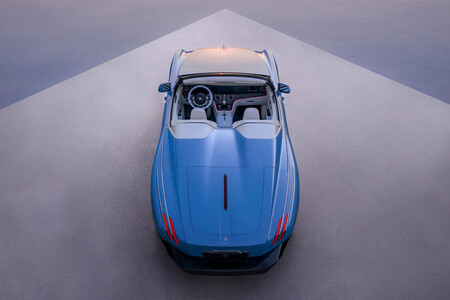
Rolls-Royce Project Nightingale
Though the brand announced this project recently, the first 100 buyers have been involved since 2024. They are expected to accompany engineers in testing the vehicles in extreme climates. As CEO Chris Brownridge recently told Bloomberg, “Customers always request more extraordinary cars. But we know that true luxury is not about the vehicle itself but the experience of being involved from the beginning.”
Luxury: Measured Not in Money, But in Desire
Antoine Tessier, CEO of duPont Registry Group and co-author of a Boston Consulting Group report on the future of the luxury car market, aptly states, “If the automaker tells you that you’re one of 900, that’s one thing. But if they say, ‘We’ll give you access to one of three,’ it becomes psychological or even egocentric. You can say, ‘I’m different.’ You’re no longer part of the richest 1%; you’re part of the 0.1%, and that feels good.”
Today’s luxury market has transcended the traditional measurements of horsepower and speed. It has evolved into an arena where status and exclusivity reign supreme.
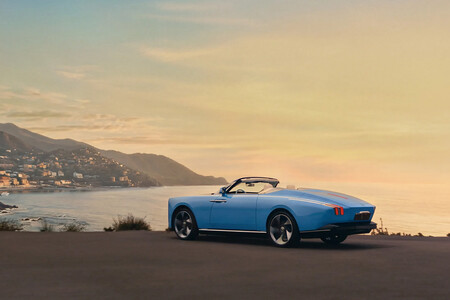
Rolls-Royce Project Nightingale
According to Felix Stellmaszek, global director of BCG’s automotive practice, emotional resonance and overall experience drive luxury purchases more than technical specifications. The essence of luxury lies in exclusive access and personalization.
The US market for cars priced over $100,000 is valued at approximately $110 billion, with prospects for doubling within the next decade, registering annual growth of 5% to 7%. The hyper-luxury segment (vehicles priced over $500,000), where Rolls-Royce operates, is expected to grow at a rate of around 5% over the next decade.
Within this realm, scarcity and exclusivity are critical factors. Luxury car manufacturers have invested heavily in their customization “ateliers.” For example, Ferrari’s customization division reported impressive profits, with the majority stemming from customized units, while Porsche and Lamborghini have ramped up similar exclusive offerings.
Among these luxury brands, Bugatti stands out for expertly navigating the exclusivity game with models like the Tourbillon, where potential owners must be selectively chosen, regardless of their financial means.
Image | Rolls-Royce