
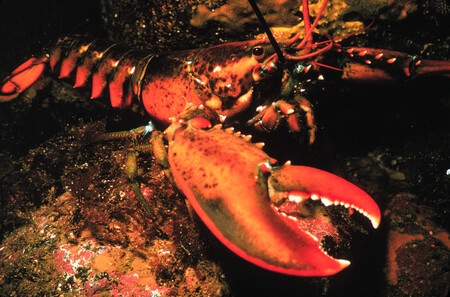
While the intention behind their actions was to create a memorable holiday experience, two American tourists recently found themselves in the midst of controversy after they decided to release a dozen lobsters from a restaurant aquarium into the Tyrrhenian Sea. The incident has drawn attention not only for its unusual premise but also for potential environmental ramifications.
The Incident: A Misguided Gesture
At a restaurant named Mercato Pompeiano in Campania, the mother-daughter duo from Texas observed lobsters swimming in an aquarium. Rather than dining on the crustaceans, they opted to rescue them, paying for their release as they believed they were saving them from a certain fate in cooking pots. They recorded their journey as they traveled to a nearby beach, where they released the lobsters into the sea, allegedly aiming to give them a second chance at life.
Environmental Concerns
Despite their altruistic intentions, environmentalists regard the act as a serious blunder. The species of lobsters they released, Homarus americanus, is native to North America and is considered invasive in European waters. Releasing non-native species can disrupt local ecosystems, outcompeting native species and potentially introducing diseases. According to experts, the lobsters might have faced thermal shock, resulting from sudden temperature changes, ultimately leading to their demise shortly after being released.
Legal Ramifications
Beyond the environmental concerns, the tourists face possible legal consequences. Under Italian and European laws, releasing non-native species without proper permits constitutes a crime against biodiversity. Violators may face fines ranging from €10,000 to €150,000 and possibly up to three years in prison. Their act of goodwill could thus translate into serious legal troubles and public backlash.
Public Reaction
The event has sparked a diverse array of opinions on social media. Some commend the tourists for their compassionate intentions, while others emphasize the need for awareness regarding local ecosystems. The video documenting their actions went viral, further polarizing the discussion on the role of individuals in conservation efforts.
Lessons to Be Learned
This incident serves as a poignant reminder that actions rooted in good intentions can have unintended consequences. It underscores the importance of understanding local ecological systems and the laws governing them. Environmental protection requires careful thought and planning, especially when it comes to species conservation and management. Those wishing to help wildlife are encouraged to support established conservation efforts rather than taking matters into their own hands.
While the tourists sought to create a fond memory during their Mediterranean vacation, the incident reveals the complexities and responsibilities inherent in interacting with nature, urging future travelers to proceed with informed caution.