
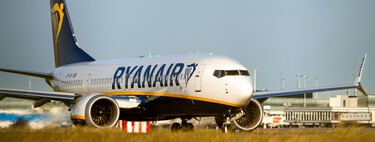
Your Flight Has Been Cancelled
The recent geopolitical tensions, particularly surrounding the actions of the United States and Israel against Iran, have spurred fears of a new oil crisis. The blockade of the Strait of Hormuz has created significant uncertainty in fuel supplies, especially affecting the aviation sector. As a result, flight cancellations and soaring ticket prices have become alarming realities. Ryanair has made it clear that Spain is at the forefront of their cuts if the situation worsens.
The Stance of Ryanair
Ryanair’s CEO, Eddie Wilson, has issued a stark warning: “If the situation continues, the first place we have in mind are the Spanish regional airports.” This comment reflects ongoing concerns regarding fuel availability and recent increases in airport taxes levied by Aena, Spain’s airport authority. The airline’s strategy appears to pivot towards cutting costs by reducing operations in less profitable regions.
Confirmed Cuts
Ryanair has been vocal for several months now about potential cuts to summer operations in Spain. In light of the increased airport taxes for the 2027-2031 cycle, Ryanair has confirmed it will eliminate 1.2 million available seats at Spanish airports this summer. Wilson also cast doubt on the sustainability of Ryanair’s operations in these regional airports, further solidifying the airline’s position against the Spanish government’s tax policies.
Expanding Cuts Beyond Spain
While Ryanair’s focus is on Spanish regional airports, it’s important to note their continued commitment to larger airports. In fact, during this tumultuous period, they have reduced their presence significantly in Spain while simultaneously planning expansions in destinations like Morocco and Italy, which are seeing growth rates of 11% and 9%, respectively.
The New Threat: More Cancellations?
Ryanair has signaled a risk of further cancellations if fuel shortages persist. When prioritizing fuel, it’s logical for the airline to focus on larger airports where flight occupancy rates are generally higher, ensuring profitability. This threatening posture is not unique to Ryanair; many airlines face similar crises due to soaring fuel prices stemming from geopolitical issues.
Industry-Wide Impacts
In April, several European and American airlines, including United and Delta, reported multiple flight cancellations due to fuel price hikes. EasyJet’s CEO has also warned that the airline industry in Europe might encounter severe challenges starting mid-May. The consequences are widespread, affecting not only routes but also passenger trust and overall travel affordability.
An Unforeseen Crisis
The aviation sector is particularly vulnerable to the ongoing events in the Strait of Hormuz. As fuel prices escalate, airlines are forced to make tough decisions. Lufthansa is expected to cancel over 20,000 flights due to these soaring costs. Companies may use this crisis as an excuse to raise ticket prices further, leading to fewer available flights and greater burdens on passengers.
Fuel Storage Concerns
Jet fuel, specifically kerosene, is notoriously difficult to store and can quickly lose its quality. This has prompted organizations like the International Air Transport Association (IATA) to warn that restoring damaged refining capacities in the Middle East will take months. The forecast for the upcoming summer season is bleak, and Ryanair’s cuts are a harbinger of a more significant trend in the industry.
Conclusion
As the fuel crisis continues, the aviation sector will likely see wider repercussions. With Ryanair leading the charge in cutting routes from Spain, passengers can expect fewer flights and higher costs. The future of air travel this summer remains uncertain, and it’s clear that airlines will prioritize profitability over passenger convenience.
Photo credit: Ryanair and Gabriele Merlino via Unsplash