
## FIFA’s Significant Increase in Prize Money for the 2026 World Cup
With just a month and a half remaining before the kickoff of the highly anticipated 2026 World Cup in the United States, Canada, and Mexico, FIFA is set to approve a notable increase in prize money. This financial boost, driven by demands from several prominent European federations, aims to address the rising costs associated with hosting such a monumental event. As negotiations regarding the tournament’s income redistribution unfold, this decision could reshape the economic landscape of the World Cup.
### The Financial Landscape of the 2026 World Cup
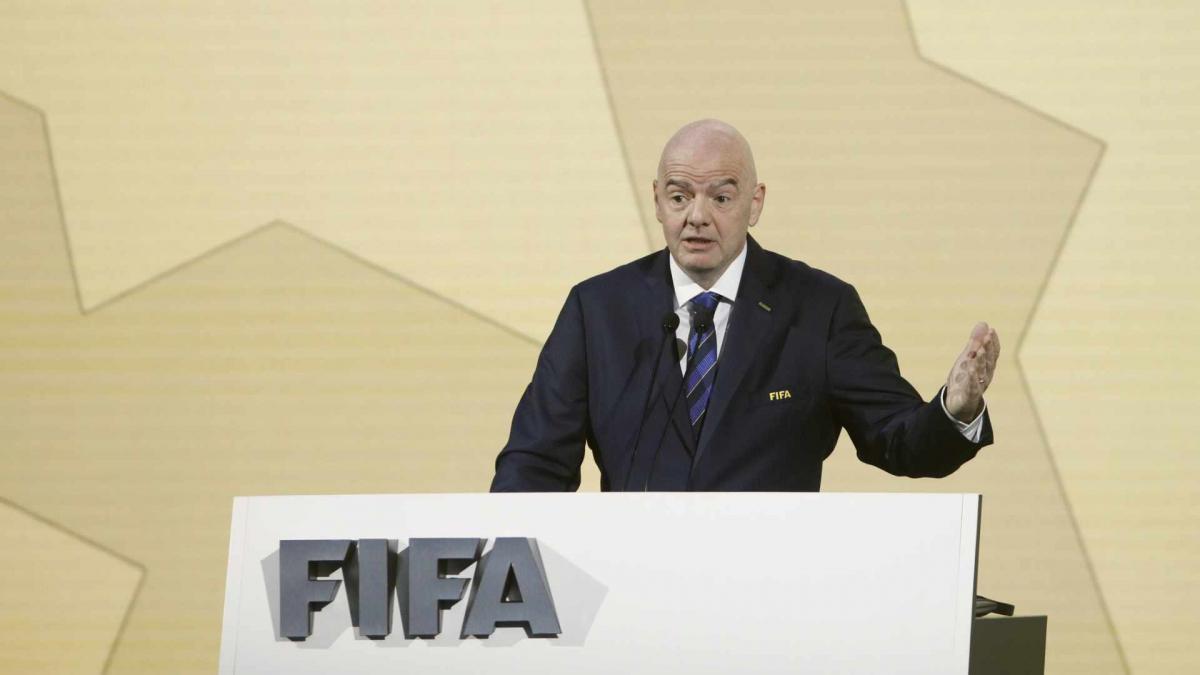
Initial plans from FIFA earmarked approximately $727 million (around €670 million) to be distributed among the 48 participating teams. Notably, the prize for the eventual champion was already pegged at an impressive $50 million. However, in light of pressures from UEFA and other leading nations, FIFA president Gianni Infantino is now reconsidering this budget, signaling a move towards an even more substantial financial pool.
This adjustment comes during a time of intense dialogue surrounding financial equity and sponsorship allocations, ensuring that World Cup income is shared more equitably among the competing nations.
### Economic Implications of the Increased Prize Money
The potential increase in prize money could transform the 2026 World Cup into the most financially lucrative event in football history. With overall revenues projected in the billions, the massive financial endorsement could encourage nations to put forth their best teams and performance, enhancing the competition’s quality.
Furthermore, this shift in prize money not only reflects FIFA’s response to high operational costs but also signals an acknowledgment of the rising financial stakes within international football. By increasing rewards, FIFA aims to ensure participation remains attractive for all nations involved.
### UEFA’s Influence and Other Factors
UEFA’s growing influence has been pivotal in advocating for a higher prize pool. As European nations dominate many global football tournaments—both in terms of performance and revenue generation—their voices carry significant weight in FIFA’s decision-making processes. The expectation is that increased financial support will help maintain the competitive nature of the tournament while easing financial burdens on national football associations.
### Looking Ahead: The Most Lucrative World Cup Yet
As negotiations continue and the approval of the prize money increase looms closer, all eyes will be on the upcoming World Cup. With its unique tri-nation format and expanded team roster, the 2026 World Cup is already positioned to break records in attendance and viewership. The proposed financial benefits serve to heighten anticipation and interest in the tournament, promising to deliver an unforgettable experience for football fans around the globe.
As we edge closer to the commencement of the tournament, one sentiment is clear: the 2026 World Cup is not just a football competition; it’s poised to be an economic spectacle that reflects the growing global significance of the sport.