
Gulf of Panama’s Seasonal Upwelling: A Historic Collapse
For the first time in over 40 years, the Gulf of Panama’s crucial “seasonal upwelling” underwent a significant collapse in 2025. This event is pivotal because the upwelling is responsible for bringing cold, nutrient-rich waters from the seabed to the surface, which supports a rich marine ecosystem.
Changes in 2025: What Happened?
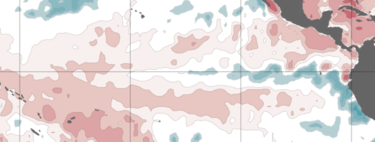
In 2025, the upwelling started 42 days later than usual and lasted only 12 days compared to its usual 66 days. Additionally, the water cooled to 23 degrees Celsius rather than the expected 19 degrees. This unexpected behavior raises crucial questions about the underlying mechanisms that drive the upwelling.
Understanding the “Outcrop”
The outcrop is a fascinating phenomenon linked to the Panama low-level jet, a current that drives surface water deeper, allowing nutrient-rich water to rise. This system has been highly reliable over the years, with no missed patterns in over 30 years of observations. However, the behavior observed in 2025 suggests that something has altered the conditions necessary for this vital ecological event.
Anomalies: Counterintuitive Insights
Interestingly, the collapse occurred during a La Niña year, which typically enhances biological productivity in the eastern Pacific. Until now, scientific consensus held that global warming would intensify large outcrops. However, the anomalous conditions have challenged these longstanding beliefs. Despite the return of some upwelling in subsequent years, the unpredictability raises concerns among researchers.
Why Should We Care?
The implications of this collapse extend beyond local marine life. According to researchers, over 95% of Panama’s marine biomass stems from the Pacific due to upwelling, contributing 2.76% to the country’s GDP. On a larger scale, upwelling zones cover less than 1% of the world’s ocean surface yet account for approximately 50% of global fish catches. Hence, disruptions in these areas could jeopardize food security and economic stability.
Future Predictions: A Call to Awareness
The unexpected disappearance of a long-standing ecological phenomenon should alarm us. If a system historically deemed stable can suddenly fail, what other unexpected events could await us in the changing climate? The Gulf of Panama’s collapse serves as a warning and prompts urgent inquiries regarding the future of ocean health and climate dynamics.
Conclusion
As we grapple with the repercussions of this extraordinary event, it is essential to advance our understanding of marine ecosystems and their relationship with climate factors. The Gulf of Panama is not just a regional concern; it has far-reaching implications for global marine biodiversity and fisheries. Continued research and vigilance are crucial in navigating the complexities of our rapidly changing oceans.