
### Understanding the “Birds” Directive
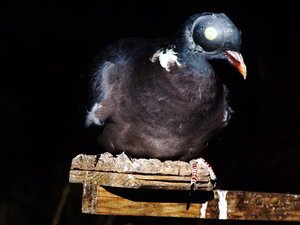
On February 12, 2025, the European Commission referred France to the Court of Justice of the European Union. The matter at hand involves the traditional practice of woodpigeon hunting using nets—specifically, “pantes” and “pantières”—which dates back to the 15th century. This practice is now under scrutiny for its alleged non-compliance with the “Birds” Directive, stirring significant unrest among hunters in the South-West of France.
### Implications of the Directive
The “Birds” Directive is a key European legislative framework aimed at protecting wild bird species and their habitats. It generally prohibits the capture and destruction of wild birds, with limited exemptions available under strict conditions. While certain departments in France, such as Gers, Landes, Gironde, and Pyrénées-Atlantiques, currently benefit from these exemptions, the European Commission now questions their validity concerning net hunting.
### A 600-Year-Old Tradition at Risk
The hunting community in South-West France has mobilized vigorously to defend this time-honored practice, citing its cultural significance. The organizational efforts by local hunter federations throughout April show a passionate response to what they perceive as an attack on their heritage. Many hunters argue that net hunting is a sustainable practice that targets non-threatened species and should be permitted under existing exemptions.
### Legal Challenges and Responses
Civil society is divided on this issue. Advocacy groups like “One Voice” have launched legal appeals against hunting practices deemed non-compliant with biodiversity protection standards. They contend that net hunting poses risks to both specific bird populations and broader ecological health. In contrast, defenders of the practice, including political figures such as Mathieu Lefèvre, Minister Delegate for Ecological Transition, argue that it is “incomprehensible” to ban a traditional form of hunting that does not threaten species.
### The Broader Context
The debate surrounding pigeon hunting is emblematic of a larger ideological clash between conservation efforts and long-established cultural practices. Animal protectionists advocate for strict adherence to the “Birds” Directive as a necessary measure amid a biodiversity crisis. Meanwhile, hunters and their supporters view this legal action as an ideological battle against their cultural traditions.
### Conclusion
As the case progresses, it serves as a critical juncture in the ongoing dialogue between tradition and conservation. The outcomes may significantly influence hunting regulations across Europe, potentially reshaping the relationship between local cultural practices and EU laws aimed at protecting biodiversity. The situation remains fluid, and continued advocacy from both sides will undoubtedly shape future policies concerning hunting and wildlife protection.