
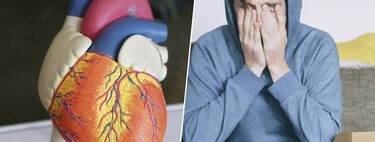
Understanding Sudden Death in Europe and Spain
Sudden death arrives unpredictably, often with a cardiac origin that leaves individuals incapacitated in seconds. This phenomenon has become a significant concern for emergency medicine, particularly as cases continue to surge across Europe and Spain.
The Alarming Increase
A comprehensive study published in The Lancet highlights this troubling trend, revealing that mortality rates related to sudden death in Europe have spiked by 30% over the past decade. Spain’s data indicates an even steeper rise, exceeding the European average.
Examination of Data Sources
To grasp the magnitude of this issue, the study utilized WHO data gathered from 26 European countries between 2010 and 2020. Out of over 53 million recorded deaths, approximately 2.5 million were classified as sudden deaths, accounting for nearly 5% of total mortality during that decade. Spain’s annual increase stands at 3.3%, surpassing the European average of 2.9%.
Factors Contributing to Sudden Death
Not a COVID-19 Crisis
While some may hastily attribute this rise to the COVID-19 pandemic, the study’s timeframe, concluding in 2020, indicates that the increase had already begun around 2013. Thus, blaming these numbers on the pandemic is unfounded.
Aging Population and Lifestyle Choices
Several factors contribute to the rise in sudden deaths. The aging population is more susceptible to fatal cardiovascular events. However, the fundamental problem lies in lifestyle choices. Sedentary behavior, obesity, hypertension, and diabetes—often termed silent pandemics—serve to increase cardiovascular risks significantly.
Health System Disparities
Differences in sudden death rates across countries often stem from the effectiveness of healthcare systems, response times, and the availability of automated external defibrillators (AEDs). In Spain, public awareness of CPR is lower than in many other European nations, where a significant portion of the population is trained to respond effectively in cardiac emergencies.
Age-Related Causes of Sudden Death
Younger Individuals
For those under 35, sudden death typically results from undetected genetic or structural heart issues, such as the Brugada syndrome. Tragically, symptoms may only manifest during a cardiac arrest, resulting in unexpected fatalities among otherwise healthy young people, including athletes.
Older Adults
In contrast, individuals over the age of 35 often suffer from lifestyle-related conditions, with acute myocardial infarction being the primary cause of cardiac arrests.
The Situation in Spain
Data from the Lancet aligns with the broader health landscape in Spain, where heart diseases are linked to nearly half of all deaths. Although there is a projected decrease in circulatory diseases, ischemic heart diseases remain the leading cause of mortality.
Improving Awareness and Response
The intent behind the study is not to incite panic but to highlight urgent public health concerns. Addressing the 30% increase in sudden deaths necessitates a multifaceted approach, focusing on early diagnosis for at-risk youth and ensuring widespread access to defibrillators and CPR training across communities.
Timing is Crucial
Cardiac arrest is a time-sensitive emergency. Each minute that passes without assistance reduces the chances of survival by 10%. Without prompt CPR, recovering a cardiac arrest victim becomes nearly impossible within ten minutes, underscoring the importance of public awareness and preparedness.