
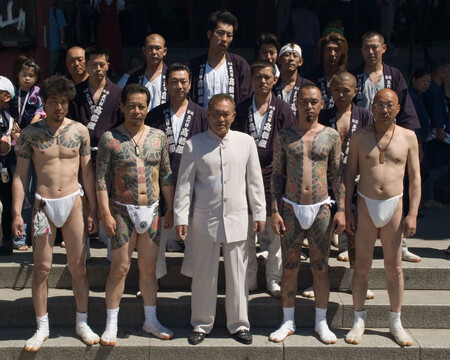
The Decline of the Yakuza: A Reflection of Japan’s Aging Society
The yakuza is making headlines in Japan, but not for traditional reasons like organized crime or police raids. Instead, the focus is on a significant decline in their numbers: in 2025, police statistics indicated that yakuza groups had shrunk to approximately 17,600 members and affiliates, a stark drop from over 80,000 just a decade ago. This surprising trend highlights an ongoing aging crisis that has begun to claim the yakuza.
The Shrinking Ranks of the Yakuza
The latest data indicates alarming trends for the yakuza. According to Japan’s National Police Agency, their ranks fell to a historic low in 2025, with only 9,400 full members remaining—the lowest since records began. This steady decline is not a mere result of a single bad year; rather, it’s part of a larger, two-decade-long trend.
The yakuza’s gradual decline is attributed primarily to enhanced law enforcement measures and the emergence of new, loosely organized criminal networks, known as tokuryū. Simultaneously, a notable factor is the aging of its existing members.
Aging Members: A Sign of Larger Demographic Trends
The aging of the yakuza is particularly noteworthy. Reports indicate that in 2022, more than 50% of yakuza members were over 50 years old, with the average age being 54.2 years—seven years higher than a decade prior. This trend parallels Japan’s broader demographic decline, which has seen a steady decrease in birth rates and a rise in average life expectancy.
According to data, the median age of Japan’s population has dramatically increased—from just 21.3 years in 1950 to nearly 48 years by 2020. By the end of the century, predictions indicate that the average age could exceed 50 years.
The Rise of Tokuryū: An Evolution in Crime
Tokuryū represents a shift in the criminal landscape of Japan. Unlike the highly structured yakuza with its rigorous codes of conduct, tokuryū operates as loose, fluid networks. This change is attracting younger offenders who find the informal structures of these groups appealing. In contrast, yakuza organizations are facing aversion from younger generations, contributing to their decline.
Legislative Efforts and Their Impact
Another crucial factor in the yakuza’s dwindling numbers is the enhanced enforcement of laws aimed at curbing organized crime. New regulations have made it increasingly difficult for yakuza members to engage in everyday activities, like opening bank accounts or securing credit. As a result, their allure has been diminished, particularly for the younger demographic.
The combined pressure of law enforcement and demographic changes signals a significant transformation in Japan’s criminal underworld. The spotlight brought by media reporting only goes to show that the yakuza, long a mainstay of Japanese culture, is in a precarious position.
Conclusion: A Foreboding Future
The decline of the yakuza serves as a telling indicator of broader societal trends in Japan. As both the country and its criminal organizations grapple with aging populations and evolving crime dynamics, the future of the yakuza remains uncertain. This spiral of aging calls into question not just the sustainability of traditional organized crime but also the societal conditions that allow such entities to flourish.
Images | Elmimmo (Flickr) 1 and 2