
The Escalating Costs of the 2026 World Cup Final Tickets
As the anticipation for the 2026 World Cup builds, fans are already feeling the financial strain associated with attending this monumental event. The final, set to take place on July 19 at MetLife Stadium in New Jersey, is shaping up to be one of the most expensive in history, with ticket prices spiraling out of control.
Shocking Resale Prices
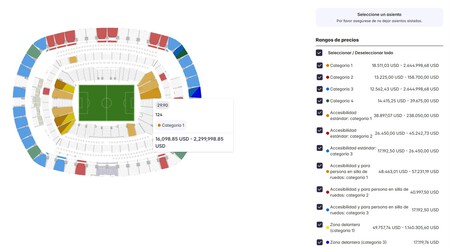
Recently, reports have surfaced of tickets being resold for astronomical sums, with some listed at nearly $2.3 million. This shocking valuation equates to the cost of a luxury apartment in a prime location, leaving many fans in disbelief. While FIFA originally sold tickets at more reasonable prices, the secondary market, facilitated by FIFA itself, has seen these values soar. Four seats behind the goal are on the market for a staggering $2,299,998.85, highlighting the huge disparity between initial prices and resale value.
A Comparative Breakdown
To put these costs into perspective, the lowest-tier tickets currently resell for $10,900, while higher-tier tickets vary significantly in pricing—ranging from $16,100 to over $200,000. It’s clear that not everyone can afford to experience the final match in person, with a significant portion of fans being priced out.
FIFA’s Role in Ticket Sales
FIFA utilizes a unique direct sales model for ticketing, yet profits from the secondary market remain a lucrative venture for the organization. Each resale transaction incurs a 15% commission for both the seller and the buyer, channeling significant revenue back to FIFA. For instance, if one of the $2.3 million tickets sells, FIFA could pocket $690,000 from that single transaction.
Why Such High Prices?
Historically, resale prices were limited by face value, but FIFA’s new approach aims to reflect standard ticketing practices in the United States, where higher values are more commonplace. The organization has expressed its intent to discourage third-party resale platforms, attempting to centralize the ticketing process and keep profits within their control.
Ongoing Controversies
The debate surrounding ticket pricing is not isolated to the resale market alone. Initial pricing strategies implemented by FIFA, which include “variable pricing,” have also come under fire. Consumer advocacy groups have voiced concerns since tickets first went on sale, with values initially ranging from $4,185 to $8,680. These figures starkly contrast with FIFA’s earlier promise of tickets starting at $60.
The Broader Impact of High Prices
The financial burdens of attending the World Cup extend beyond ticket purchases. Public transport costs have also seen a dramatic increase, with train fares from Manhattan to MetLife for the game set at $150—almost eleven times the usual fare. This price hike is emblematic of the overall trend in heightened costs surrounding the event.
Conclusion
While fans dream of experiencing the thrilling atmosphere of the World Cup Final, the skyrocketing ticket and transportation prices pose significant barriers. FIFA’s approach, though crafted to maintain control over the market, seems to prioritize profit over accessibility, leaving many ardent supporters to wonder if they will ever be able to witness this historic match firsthand.