
The 2030 World Cup: A Historical Collaboration
The 2030 FIFA World Cup is already being hailed as a unique project in football history. To commemorate the centenary of the tournament, which began in 1930, FIFA has entrusted the event to three countries: Morocco, Spain, and Portugal. This unprecedented collaboration gestures towards a richer narrative, blending historical significance with sporting ambition. While the tournament will see most matches played in these nations, South America will host three inaugural matches as a nod to the World Cup’s origins.
A Rivalry Takes Center Stage
As July 21, 2030, approaches, the competition to host the final is heating up between Madrid and Casablanca. These two cities stand poised as the leading candidates for the grand finale, igniting a fierce rivalry. Behind the facade of official declarations lies an ongoing image battle, with national federations and the press closely monitoring every development that could tip the scales in favor of either host.
Challenges in Spain: A Perturbed Journey
However, organizing the World Cup in Spain is not without challenges. Recent withdrawals from the bid by cities such as Málaga and La Coruña highlight significant issues, including the financial burden of required stadium upgrades. Concurrently, football in Spain has faced scrutiny due to incidents of racism and religious discrimination within stadiums. A recent unfurling of offensive chants during a friendly match involving Egypt raised alarms about the sport’s image and the ability of authorities to maintain control during significant events. These controversies suggest a potential stumbling block for Spain as it vies for a prestigious hosting position.
Morocco’s Aspirations: Rising to the Occasion
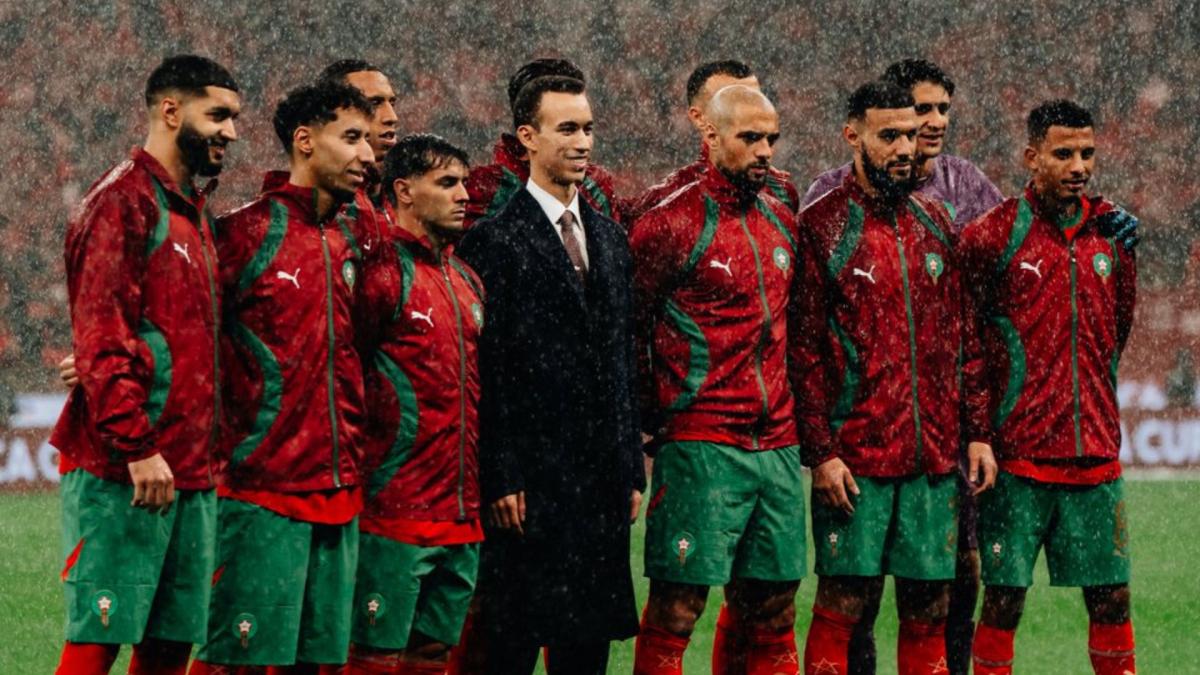
While Spain grapples with its internal hurdles, Morocco is focused on crafting its narrative. The Moroccan bid is highlighted by a vision of a future stadium in Casablanca, which embodies the country’s aspirations for a monumental World Cup final. Despite past controversies in organizing events, such as the CAN 2025 final, where tensions marred the atmosphere, Morocco is keen on showcasing its capabilities to FIFA. The nation aspires to save face with a stunning entrance on the world stage that could solidify its reputation as a worthy host.
Historical Context: A Comparative Perspective
The Spanish sports press often recalls past precedents that bolster its bid’s credibility. They point out successful events, such as the Copa del Rey final held in Seville, which garnered positive reviews for its festive and well-regulated atmosphere. Madrid’s organization of the 2018 Copa Libertadores final further adds to its glowing reputation. These familiar narratives paint Spain as a well-oiled machine proficient in hosting massive events, contrasting sharply with Morocco’s ongoing struggles.
The Road Ahead: Prestige and Uncertainty
As the countdown to the 2030 World Cup continues, both Spain and Morocco face a long journey populated by symbolic rivalries and national pride. Spanish media emphasizes its storied history of organizing successful events, while Morocco fiercely campaigns to demonstrate its potential. The next few years will demand both nations to navigate a myriad of challenges, showcasing their readiness and commitment to making the World Cup a memorable sporting spectacle. Between the rich histories and the promise of a glorious football night, the path towards the World Cup final offers not just a competition of teams, but a contest of national identity and pride.