
The Unique Situation of Two Capitals
For decades, Brazzaville and Kinshasa, the capitals of the Republic of the Congo and the Democratic Republic of the Congo (DRC) respectively, have coexisted mere kilometers apart, yet remain largely disconnected. Geographically, they are considered some of the closest capitals on the planet, rivaled only by unique cases like the Vatican and Nicosia. Currently, traveling between these two metropolises involves navigating the wide Congo River, either by ferry or a short flight, adding unnecessary complexity to what should be a simple journey.
Capitals Just a Stone’s Throw Away
The proximity of these capitals—approximately one to three kilometers apart—has resulted in an odd dynamic. Despite their closeness, residents face significant barriers to cross the river. The option to take a ferry takes up to 30 minutes, while a flight is a costly alternative that just outpaces a coffee break. This ongoing scenario seems almost paradoxical given the otherwise direct link these two cities should have.
Historical Context and Infrastructure Challenges
Efforts to build a bridge across the Congo River have been discussed intermittently since the 1990s. However, historical political and economic obstacles, including concerns about diminishing traffic at essential ports in the DRC, have stalled progress. Past proposals have largely remained on paper due to these apprehensions about infrastructure and trade impact.
A New Era of Connection
Recent diplomatic developments suggest that change might be on the horizon. In February, finance ministers from both countries forged a bilateral agreement to establish a special tax regime, facilitating the construction of the long-delayed bridge. This agreement has revitalized hopes for the Kinshasa-Brazzaville viaduct.
The Role of Africa50
Adding momentum to the project, Africa50, an investment platform founded by the African Development Bank (ADB) and several African states, has stepped in as a primary promoter of this endeavor. With the ADB having already financed feasibility studies, expectations for actual construction are growing.
What Will the New Bridge Look Like?
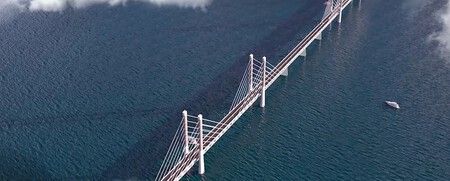
Plans for the bridge call for it to stretch over 1.5 kilometers, accommodating vehicles and railways while including sidewalks and border control posts. This design aims to connect existing road networks in both countries, thereby enhancing communication.
A Costly Yet Impactful Investment
Astonishingly, the estimated cost for building this infrastructure has escalated from $550 million in 2017 to over $700 million today. However, the anticipated benefits are significant. According to projections, the bridge could increase annual pedestrian traffic from 750,000 to over three million and merchandise flow from 340,000 to two million tons.
Conclusion
In conclusion, the long-discussed bridge over the Congo River could dramatically reshape the relationship between Kinshasa and Brazzaville. With renewed interest and investment, this infrastructure project promises not only improved connectivity for the two capitals but also enhanced economic collaboration between the Republic of the Congo and the DRC.
Images and References
Images of the proposed bridge can be accessed through Africa50 and Google Earth.