
Trump Administration Initiates New Research on Psychedelic Therapy
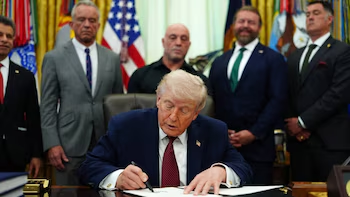
The U.S. government is adopting a transformative stance towards psychedelic substances. Recently, President Donald Trump signed an executive order focused on expediting the research and clinical application of ibogaine, particularly for treating post-traumatic stress disorder (PTSD) and traumatic brain injuries among veterans. This initiative is backed by an allocation of $50 million aimed at establishing clear therapeutic protocols.
Legislative Changes and Research Opportunities
This new legislative framework seeks to dismantle existing barriers that previously limited research on ibogaine, which is classified as a Schedule I controlled substance in the U.S. The executive order aims to broaden access to innovative therapies for those who have not found relief through conventional treatments. The White House envisions clinical trials starting this summer, pending approval from the Food and Drug Administration (FDA).
Key Features of the Executive Order
- Funding Allocation: $50 million designated for federal investigations into ibogaine.
- Regulatory Lifting: Restrictions that previously constrained research on ibogaine are being lifted.
- Improved Access: Veterans will have better access to alternative therapies that have shown promise for mental health issues.
Advances in Psychedelic Research
Ibogaine, a psychoactive compound derived from the Tabernanthe iboga shrub, is gaining attention for its potential healing properties, particularly in combating mental health disorders and addiction. Although currently outlawed outside research contexts in the U.S., several clinics abroad have already been utilizing ibogaine for veterans seeking alternatives to traditional treatments.
Initial Research Findings
Preliminary studies have shown that ibogaine may significantly reduce symptoms associated with PTSD and other mental disorders. Dr. Mehmet Oz, head of the Centers for Medicare and Medicaid Services, commented that this initiative marks a “paradigm shift” from conventional medication strategies that fail to adequately support resistant patients.
According to a recent study from Stanford University, a trial involving 30 veterans revealed a noteworthy decline in PTSD symptoms with no serious adverse effects. This encourages experts to advocate for further research and controlled studies with larger participant groups.
Public Support and the Path Forward
The executive order has attracted support from numerous influential figures, including podcaster Joe Rogan and former Texas Governor Rick Perry. Rogan stated the order would offer “life-changing experiences” to those in need, emphasizing the significance of this shift in policy.
Ongoing Mental Health Crisis
The mental health crisis among U.S. veterans is alarming—with over 14 million adults affected by serious mental illnesses and approximately 6,000 veterans taking their own lives each year. The urgency for alternatives has led the government to pursue solutions that could foster better mental health outcomes for those who have served.
The initiative not only aims to pave the way for new treatments but also highlights the dire need to alleviate the burden of mental health challenges on our veteran population—signifying a significant step towards enhanced therapeutic options.
Future Outlook
The FDA has already designated some psychedelic drugs as “Breakthrough Therapy”, expediting their review process. If approved, treatments involving ibogaine and other psychedelics could soon be available under stringent medical supervision, while recreational use will remain prohibited. The forthcoming months are crucial as the nation watches for the outcomes of FDA decisions and subsequent clinical trials.