
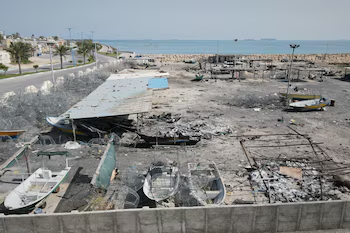
Traffic and Tension in the Middle East: Impact on Gasoline Prices
The Reopening of the Strait of Hormuz
After weeks of conflict, the United States and Iran announced the reopening of the Strait of Hormuz for commercial shipping. This crucial waterway, through which approximately one-fifth of the world’s traded oil moves, directly impacts global oil prices. Following the announcement, oil prices experienced a notable 10% drop, leading to some optimism on Wall Street and among motorists hoping for a decline in gasoline prices.
Current Gasoline Prices
In the United States, regular gasoline was priced at approximately $1.07 per liter ($4.08 per gallon) recently, reflecting a 37% increase since the onset of the conflict. Despite this rise, prices have slightly decreased in recent weeks, causing speculation about how quickly they could fall if oil tankers resume their operations.
Factors Delaying Price Reduction
Although the reopening of the Strait offers hope, gasoline prices traditionally decline slower than crude oil costs. Energy experts caution that even with the strait open, it may take several months for gas prices to return to pre-war levels. The speed of oil tanker movement, ongoing security concerns, maritime traffic disruptions, and lasting damage to energy infrastructure in the Middle East all contribute to maintaining high gasoline prices.
Delays Due to Logistics
Mark Barteau, a professor at Texas A&M University, notes that multiple logistical steps must occur before any decline can be realized. This includes the time it takes for oil tankers to navigate to refineries and the time needed to ramp up operations at these facilities. Moreover, market uncertainties often result in hedging behaviors, further complicating predictions regarding price drops.
Gradual Optimism Among Analysts
While many experts express caution, some are optimistic about a gradual decline in gasoline prices. Market reactions have already shown a slight uptick in prices following a recent ceasefire between the United States and Iran. Analysts believe that oil prices could drop by 7 to 9 cents per liter due to the reopening of the strait.
Patrick De Haan, chief oil analyst at GasBuddy, predicts a potential drop of 1 to 3 cents per gallon every few days, leading to a possible national average between 91 and 96 cents per liter for the upcoming Memorial Day holiday.
The Challenge of Restoring Normalcy
Even with an agreement to end the conflict, experts warn that full normalization could take months. Patrick Penfield, a professor at Syracuse University, states that removing potential obstacles, such as unswept mines in shipping lanes, could take considerable time. Additionally, the presence of over 150 oil tankers stalled near the strait creates a significant logistics backlog that complicates rapid resumption of normal operations.
Conclusion
While the reopening of the Strait of Hormuz heralds potential relief for gas prices, multiple hurdles remain. Factors such as persistent geopolitical tensions, logistical inefficiencies, and infrastructural damage will continue to influence gasoline costs in the near future. As the situation unfolds, patience and vigilance will be essential for consumers hoping for substantial price reductions at the pump.