
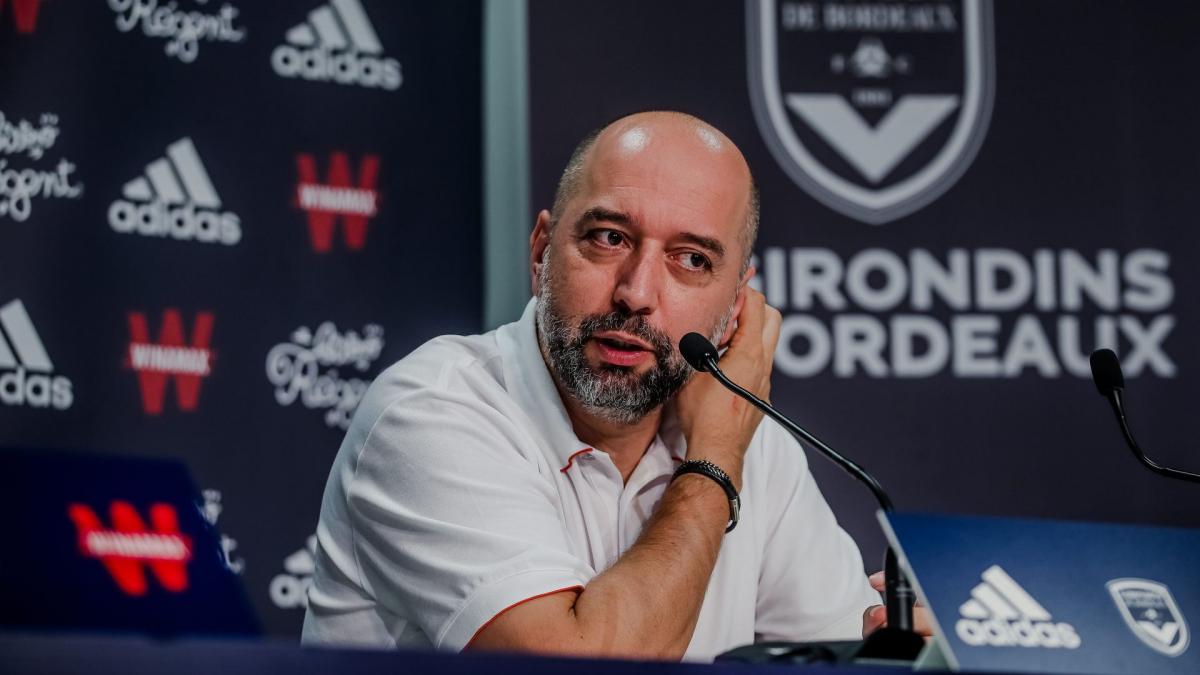
Bordeaux’s Financial Crisis Deepens
This past weekend, troubling news emerged regarding FC Girondins de Bordeaux, further plunging the club into a financial and operational crisis. Currently stranded in National 2 (N2) and in danger of failing to maintain its operations for the second consecutive season, the club finds itself in a precarious situation. Following an impressive start where Bordeaux led the standings, they have recently faltered, now trailing seven points behind the leader. The club, under the leadership of Gérard Lopez, continues to walk a tightrope financially, burdened by debts that threaten to worsen following the upcoming DNCG review.
FIFA’s Transfer Ban
In a move that compounds Bordeaux’s issues, FIFA has imposed a ban on the club from registering any new players for the next three transfer windows. This ban results from a dispute with Spanish club Sporting Gijón, which is claiming €1.5 million related to the transfer of midfielder Pedro Díaz in 2023. Bordeaux plans to contest this ruling at the CAS (Court of Arbitration for Sport) and in national courts. Club lawyer Matthieu Barandas communicated to local media that the team remains relatively calm regarding the situation; however, serious questions arise about the financial model Gérard Lopez has adopted and its sustainability in French football.
Overwhelming Debt: The Numbers Speak
Bordeaux’s financial troubles are grounded in the accumulation of unpaid transfer fees. Recent analysis revealed that the club owes a staggering total of over €9.5 million to various creditors. This daunting figure underscores a broader trend in the football industry where clubs often structure transfers across extended payment periods. While this approach can ease immediate financial pressures, it may create long-lasting consequences for clubs already in financial distress.
Breakdown of Outstanding Payments
The list of unpaid debts features several notable transfers:
- Zan Vipotnik (from Swansea to Maribor): €2.02 million
- Clément Michelin (from Valladolid to AEK Athens): €600,000
- Zuriko Davitashvili (from Saint-Étienne to Dinamo Batumi): €550,000
- Alexi Pitu (from Vejle to Farul Constanța): €190,000
- Vladimir Petković (from Swiss Federation): €500,000
Additionally, Bordeaux has major outstanding payments to French clubs, including:
- Amiens for Aliou Badji: €3 million
- Lille for Jean Onana: €200,000
- Guingamp for Jérémy Livolant: €500,000
Other smaller debts affect various clubs, such as Caen (€626), Rennes (€86,482), and Bastia (€739), illustrating a troubling trend across the league.
A Disturbing Outlook
As Bordeaux faces mounting debts and recruitment limitations, the outlook seems bleak. The club is not only grappling with their current financial woes but also with the challenge of regaining competitive footing in French football. These financial concerns ring alarm bells for fans and analysts alike, raising serious doubts about the club’s ability to rebound and secure a stable future.
As the situation unfolds, it remains to be seen how Bordeaux will navigate this tumultuous period and address its debts effectively. The club’s next steps, particularly in light of the FIFA ban, will be critical in determining whether they can reclaim their position in the sport and restore their reputation. The football world watches closely as this story develops—will Bordeaux find a path to recovery, or are deeper troubles ahead?