
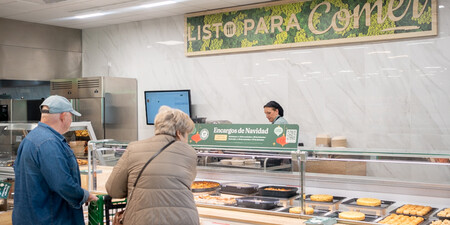
The Rise of Mercadona’s Mercaurnants
The proverb “a picture is worth a thousand words” might be particularly relevant when considering the burgeoning success of Mercadona’s ‘mercaurants.’ These hybrids allow consumers to purchase and enjoy freshly prepared meals within the supermarket. The true impact of this trend goes beyond mere imagery and rhetoric; it’s exemplified by impressive figures.
Impressive Revenue Growth
In 2025, Mercadona reported a staggering turnover of approximately 700 million euros in Spain from its ‘Ready to Eat’ section alone. When taking into account the broader range of pre-cooked offerings—including refrigerated meals and ready-to-eat trays—the combined revenue in Spain and Portugal skyrockets to 3 billion euros.
An Exploding Market Segment
This growth can be attributed to two main factors. First, the ‘Ready to Eat’ section is still relatively new, having launched only in 2018. By 2025, Mercadona had expanded this service significantly, opening 210 new supermarkets and serving 1,469 points of sale across Spain and Portugal. Second, this segment is only one part of a larger trend aimed at leveraging the rising consumer demand for pre-cooked food solutions.
How Much of the Market Share Does Mercadona Hold?
The total income from both the ‘Ready to Eat’ section and pre-cooked food sales accounts for just over 7% of Mercadona’s global turnover—growing at a remarkable 20% annually. This speaks volumes about the immense potential in this market.
Mercadona vs. Fast Food Giants
Consider this: the 3 billion euros generated from ready meals in 2025 eclipses the annual sales of competitors like McDonald’s (around 2 billion euros) and Burger King (approximately 1.5 billion euros). In effect, Mercadona’s sales in this sector nearly rival those of both fast-food chains combined.
Growing Consumer Preference
This trend isn’t isolated to Mercadona. The appeal of ready-to-eat meals is rising across supermarkets, as highlighted by consulting firm NielsenIQ. The demand for “prepared and ready-to-eat food solutions” is expanding at over 10%, potentially surpassing 3.7 billion euros in transactions in the market.
Shifts in Consumer Behavior
These changes in purchasing patterns reflect an evolution in consumer habits. Our eating routines are not static; they shift over generations. Juan Roig, Mercadona’s CEO, has even forecasted that by mid-century, Spanish homes may not include kitchens, as supermarkets transition into central food hubs for more than just grocery shopping.
Alternatives to Traditional Dining
Traditional dining, often characterized by multi-course meals, has been facing challenges from the convenience provided by supermarkets. More people are opting for pre-cooked meals that allow for quicker dining experiences—often for a fraction of the cost of a full meal at a restaurant. Instead of spending around 14 euros for a lengthy restaurant experience, consumers are buying two dishes for about 10 euros and dining at the supermarket or taking food home.
Conclusion
As Mercadona continues to solidify its position amid a changing retail landscape, their approach exemplifies a significant shift in consumer behavior. The success of their ready-made meals highlights a growing trend, challenging traditional fast-food dynamics and reshaping the future of food consumption.