
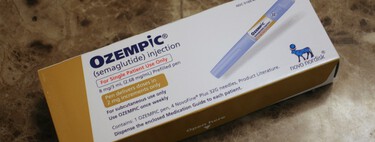
The Hidden Risks of Ozempic: A Closer Look at Muscle Loss
The introduction of medications like Ozempic, Wegovy, and Mounjaro has transformed the landscape of obesity treatment. Traditionally, when lifestyle changes failed, surgical interventions were often the next step. While these medications promise significant weight loss, emerging evidence suggests that many patients may be unknowingly jeopardizing their health by losing muscle mass and facing protein malnutrition.
Understanding the Impact of Ozempic
Recent studies have begun to reveal the nutritional challenges associated with these treatments. As new data emerges, it becomes clear that the medical community must refine its approach. The results from a recent study presented at the European Obesity Congress underscore the importance of vigilant nutritional management during Ozempic treatment to prevent adverse health outcomes.
Appetite Suppression: A Double-Edged Sword
Many patients enter treatment seeking to reduce their appetite. However, as research indicates, an overly diminished appetite can lead individuals to skip meals entirely. A study monitoring over 332 overweight adults highlighted alarming patterns: those on Ozempic consumed an average of 53.8 grams of protein daily—far below the recommended 0.8 grams per kilogram of body weight. This drop in protein intake is particularly concerning when trying to preserve muscle during weight loss.
Skipping Meals: A Consequence of Reduced Hunger
The appetite-suppressant effects of Ozempic lead many to skip meals, creating a cycle of inadequate nutrient intake. Shockingly, patients reported missing nearly half their dinners and significant portions of their breakfasts and lunches. This limited eating schedule makes it nearly impossible to achieve the necessary protein intake required for muscle maintenance, which is critical for overall health.
The Consequences of Muscle Loss
Muscle loss, medically termed sarcopenia, was previously associated mostly with the elderly and sedentary individuals. Now, scientific reviews suggest that up to 40% of the weight lost by Ozempic users could be muscle. This means that, on average, for every two kilos of fat lost, one kilo may be muscle. Such a loss can result in decreased strength and mobility, particularly alarming for older adults and those with type 2 diabetes, where sarcopenia is accelerated by high doses of semaglutide.
Strategies to Preserve Muscle During Weight Loss
To mitigate these risks, healthcare providers must adopt a more personalized approach. Increasing protein intake to between 1 and 1.6 grams per kilogram of body weight during weight loss is now recommended. Furthermore, individuals should aim to consume a minimum of 20-30 grams of protein at each meal, ensuring a balanced and nutritious diet.
It’s equally vital to encourage regular meal times to prevent extended fasting periods, which exacerbate the risk of muscle degradation.
Strength Training: A Key Component
In addition to following a nutrient-rich diet, incorporating strength exercises—such as weight lifting, resistance bands, or calisthenics—should be a primary goal. These activities signal the body to maintain muscle mass, effectively countering the weight loss induced by the medication.
Conclusion: A Holistic Approach to Weight Management
Ultimately, while Ozempic and similar drugs present new avenues for weight loss, they also necessitate a careful consideration of nutrition and exercise. Losing weight should not come at the expense of muscle mass, as this can dramatically affect overall quality of life. By prioritizing both weight loss and muscle preservation, patients can achieve sustainable health improvements.
References
- Images by Haberdoedas and Anastase Maragos.