
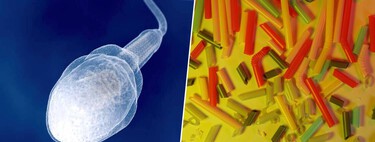
Microplastics in Our Bodies: Where They Accumulate
The presence of microplastics in the human body is no longer a surprise, as studies have identified these particles in various organs including the lungs, placenta, and even testicles. However, recent research sheds light on where microplastics accumulate in greater quantities and the potential health risks involved.
Findings from Recent Studies
A recent study published in the journal Environmental Science and Ecotechnology has unveiled alarming insights. Not only do cholesterol crystals exist in bile and contribute to gallstone formation, but the study also discovered the presence of microplastics. This is concerning, as these particles have been linked to the premature aging of gallbladder cells.
The researchers analyzed 14 samples of human bile from both healthy individuals and those with gallstones. Their findings were conclusive: microplastics, primarily polyethylene (PE) and polyethylene terephthalate (PET), were found in the samples, particularly in individuals with gallstones. The size of these particles, ranging from 20 to 50 micrometers, allows them to cross biological barriers and accumulate in the gallbladder.
The Link to Gallstones
Surprisingly, the study revealed that patients with gallstones exhibited a higher concentration of microplastics, suggesting a potential role for these particles as ‘seeds’ that facilitate the formation of cholesterol stones in the gallbladder. This correlation raises important questions about the broader implications of microplastics on digestive health and gallstone formation.
The Health Implications of Microplastics
The ramifications of microplastics on human health are still being understood, but initial findings are troubling. Microplastics have the potential to disrupt bile function, leading to mitochondrial dysfunction and increased oxidative stress, which in turn may promote the premature aging of cholangiocytes, the cells lining the bile ducts.
Previous studies involving laboratory mice exposed to microplastics indicated alterations in bile acid metabolism and liver damage. In humans, this accumulation can lead to severe health issues, including liver diseases and bile duct disorders. There is a pressing need for further research to determine the long-term consequences of these synthetic materials on human health.
Potential Mitigation Strategies
Despite these concerning findings, there is hope. Scientific literature suggests protective measures that may help combat the effects of microplastics. For instance, melatonin is known to combat oxidative stress and mitochondrial dysfunction caused by these particles. Additionally, recent experiments with human liver organoids indicated that administering ursodeoxycholic acid—the standard treatment for gallstones—can alleviate damage caused by microplastics by enhancing bile flow, potentially facilitating a natural cleansing of the bile ducts.
Conclusion: A Growing Public Health Concern
The identification of bile as a reservoir for microplastics underscores a critical reality: plastic pollution is no longer confined to environmental discussions; it poses significant public health risks. With more data emerging about the consequences of microplastics, including their potential link to gallbladder cancer, the need for awareness and action has never been greater.