
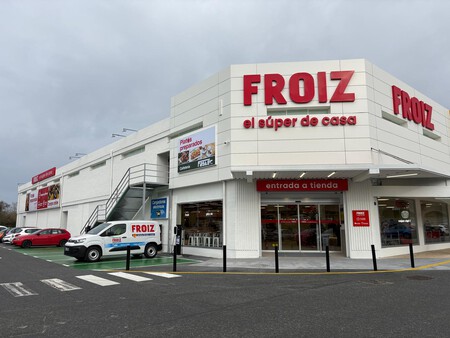
## The Rise of Regional Chains: Highlights from Froiz
For a long time, supermarkets in Spain have been synonymous with Mercadona, which holds approximately 30% of the market share. However, as shopping trends evolve, regional chains like Froiz are gaining traction, showcasing their unique advantages and significant growth.
### Froiz: A Case Study
Recently, Froiz—a supermarket chain based in Poio, Pontevedra—has crossed noteworthy billing and growth milestones. Primarily serving areas like Galicia, Castilla y León, Castilla-La Mancha, Madrid, and northern Portugal, Froiz may not rival major chains in market share, but its performance is a testament to the strength and influence of regional supermarkets.
### Growing Amidst Giants
According to the latest data from NielsenIQ, Mercadona, Carrefour, and Lidl captured nearly 43% of the market last year, indicating their dominant position. Nevertheless, Froiz’s impressive financial figures reveal that regional chains are not merely surviving but thriving in a competitive landscape. In 2025, Froiz achieved a business volume of €970 million, showing a 3.2% increase from 2024. This upward momentum is significant, especially when considering the challenges posed by inflation.
### Expansion and Workforce Growth
Froiz is not only experiencing sales growth but also workforce expansion, having increased its employee count by 3.7% to around 7,000. The chain currently operates 268 locations across its key markets, marking a substantial growth in store count thanks to strategic acquisitions and investments.
### Importance of Regional Chains
Froiz’s success aligns with a broader trend characterized by the resilience of regional brands. With major players like Mercadona growing their market share to 29.5% in 2025, Froiz illustrates the potential of regional supermarkets to carve out meaningful niches. These chains have advantages in local knowledge and customer loyalty, aspects often overshadowed by larger competitors.
### Trends Influencing Growth
Recent analysis by Worldpanel by Numerator highlights two significant trends affecting the market: the rise of “short assortment” chains that emphasize a limited yet price-competitive selection, and the steady growth of regional supermarkets. As regional chains gained 0.4 percentage points to reach 18.5% market share, they are proving to be a crucial element in the evolving food retail landscape.
### Consumer Preferences
A recent OCU report found that seven out of ten highly regarded supermarket chains in Spain are regional. This preference underscores the appeal of local goods, personalized service, and community engagement. Consumers appreciate the fresh produce and specialties offered by regional stores, often viewing them as the modern successors to traditional neighborhood markets.
### Conclusion
As the retail landscape continues to transform, regional chains like Froiz are redefining competition. Their commitment to quality, local sourcing, and customer service positions them favorably against industry giants. In an era where shopping experiences and personal connections matter more than ever, regional players are poised to thrive.