
Chikungunya Cases in Costa Rica: 2026 Updates
The Ministry of Health has confirmed the third case of chikungunya in Costa Rica for 2026. The patient is a 45-year-old foreign man residing in Guanacaste. Fortunately, the man has not experienced any complications post-infection, as reported by Teletica.
Diagnosis and Follow-Up
The diagnosis was confirmed through tests conducted by the Costa Rican Social Security Fund (CCSS). Following standard protocols, the sample will be sent to the Costa Rican Institute for Research and Teaching in Nutrition and Health (INCIENSA) for further analysis. Notably, Costa Rica has not reported active chikungunya virus circulation since 2017, raising concerns about the recent uptick in cases, which now totals three in a single year.
Investigation and Preventive Measures
Health authorities have determined through epidemiological research that the patient entered Costa Rica during the incubation period, categorizing this case as an imported infection. In response, the Ministry has ramped up surveillance and prevention measures to avert any potential spread of the virus.
Understanding Chikungunya: Symptoms and Prevention
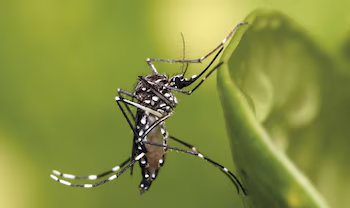
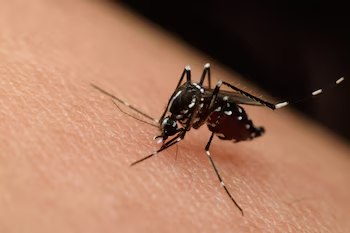
Chikungunya fever is a viral illness transmitted by mosquito bites, primarily affecting individuals with symptoms like high fever, joint pain, and general malaise. According to the Pan American Health Organization (PAHO), the virus is spread by Aedes mosquitoes, particularly Aedes aegypti and Aedes albopictus.
Common Symptoms
Symptoms typically manifest between 4 to 8 days following a mosquito bite and may appear any time between day 2 and day 12. The chief symptom is a sudden, high fever coupled with joint pain. Other associated symptoms include muscle pain, headaches, nausea, fatigue, and rashes. Severe joint pain can be debilitating and may last days, months, or even years.
Preventive Recommendations
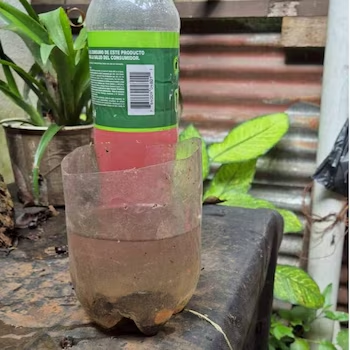
In light of the current risk, health authorities recommend several measures: using mosquito repellents, wearing long-sleeved clothing, utilizing mosquito nets, and eliminating potential breeding sites for mosquitoes.
Preventive Measures Against Dengue, Zika, and Chikungunya
The Ministry of Health has issued essential recommendations to limit the spread of these diseases:
- Regularly clean and empty containers that store water.
- Inspect and clean areas with potential mosquito breeding sites, such as canoes and plastic items.
- Securely store unused tires and other waste to reduce breeding habitats.
Individuals showing symptoms of related diseases, including fever, joint pain, or general malaise, are advised to seek medical attention and avoid self-medication. Adhering to these guidelines is crucial for public health and in breaking the transmission cycle of these mosquito-borne viruses.