
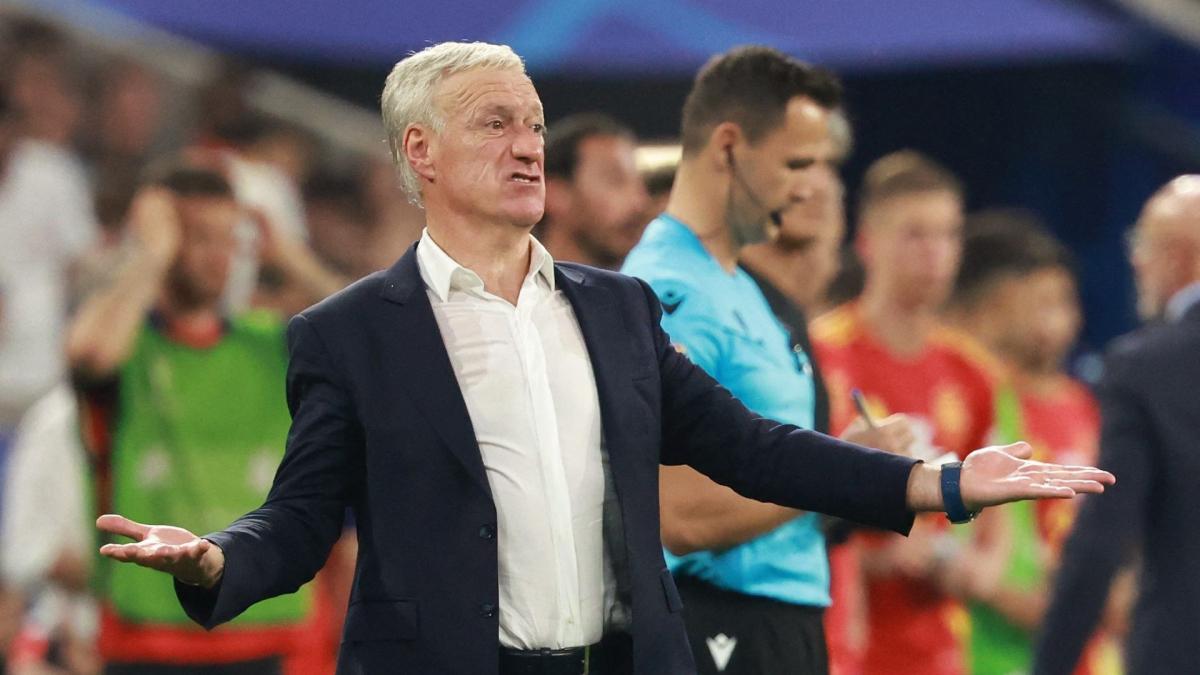
## Is Didier Deschamps a Relevant Choice for Real Madrid?
Didier Deschamps’ name has unexpectedly surfaced in discussions about who might take the helm of Real Madrid. With current coach Alvaro Arbeloa uncertain of his future, especially after lagging behind FC Barcelona in the league standings, the spotlight has turned to potential replacements. The Merengues are reportedly exploring the market, with Deschamps mentioned as a candidate. But is he the right fit for such a prestigious club?
### YES: The Case for Deschamps
Despite some criticisms about his coaching style being more pragmatic than flashy, Deschamps brings a wealth of experience and success that could benefit Real Madrid. Historically, he has managed clubs like Monaco, Juventus, and Marseille, in addition to leading the French national team to glory. His ability to achieve results, regardless of style, resonates well with a club that’s recently experienced challenges.
Real Madrid’s recent struggles have sparked discussions about the team’s defensive vulnerabilities. Deschamps is known for his structured and disciplined approach, which could address these issues effectively. His pragmatic style, while often critiqued as overly defensive, has also kept teams competitive at the highest levels. His earlier success with Carlo Ancelotti—who had a similar philosophy—demonstrates that this approach can yield results in Madrid.
Moreover, Deschamps excels in managing star players, focusing on the collective team spirit rather than individual accolades. This attribute is essential for any manager inheriting a locker room filled with prominent talents. Familiarity with players like Kylian Mbappé can facilitate smoother transitions and team dynamics, bolstering the case for his inclusion.
### NO: The Arguments Against Deschamps
Conversely, doubts persist about whether Deschamps is the right choice for a high-pressure environment like Real Madrid. Transitioning from managing a national team to a club requires adaptability to a faster-paced, more demanding situation. After 14 years with the French national team, the adjustment might not be seamless, especially with a new project on the horizon for Real Madrid.
Additionally, the timing raises concerns. With the World Cup looming, Deschamps would need to pivot swiftly from national responsibilities to a club setting. This transition could hinder his initial integration and effectiveness. Historical precedents also caution against appointing a national team manager; the transition has often resulted in challenges in high-pressure club environments.
Deschamps’ past experiences, while impressive, may not align with the specific demands of managing a club like Real Madrid. His earlier roles, particularly at Marseille and Juventus, involved different expectations than those found at the Santiago Bernabéu. The stakes are higher in Madrid, where daily management of elite players requires a different level of engagement compared to the sporadic nature of international fixtures.
### Conclusion
The debate over Didier Deschamps as a suitable candidate for Real Madrid is multifaceted. While his proven track record and style could bring much-needed stability and success, the challenges of transitioning from national to club management, especially at a high-pressure environment, should not be underestimated. As Real Madrid continues to navigate its future, the decision will ultimately hinge on whether the club values Deschamps’ pragmatic approach over the potential risks associated with his appointment.