
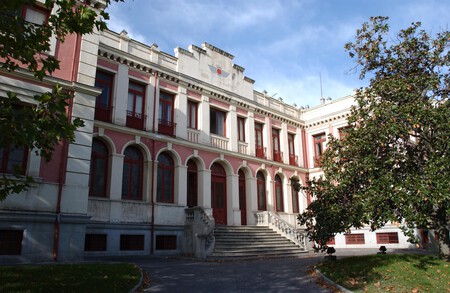
The Jewel of Cuatro Vientos: The Historical Officers’ Pavilion
The Historical Officers’ Pavilion, affectionately known as the ‘Palace’, stands proud at the Cuatro Vientos airfield in Madrid. This architectural gem, constructed around 1916, is not only a testament to Spain’s aviation heritage but also houses a wealth of artistic and historical treasures. As the first military aviation school in Spain, this building has witnessed countless moments in aviation history, and now, it is set to undergo a significant renovation.
A Significant Renovation
Recently, the Ministry of Defense announced plans for a comprehensive rehabilitation of the pavilion. This renovation aims to preserve the building’s historical and artistic significance while modernizing it for contemporary use. The project was formally tendered in early 2026, with an estimated budget of €3.49 million, which has now been finalized at €3.46 million. The execution period is expected to take 14 months, meaning the revamped pavilion will unveil itself to the public by 2027.
Restoration Goals and Techniques
The restoration project entails a variety of works including:
- Façade Rehabilitation: Restoring the original tones, eliminating accumulated dirt and lichens, and repairing damage to cornices, balustrades, and staircases.
- Interior Modernization: Installing modern amenities like an elevator and a dumbwaiter, enhancing thermal insulation, waterproofing, and updating electrical systems.
- Preservation of Artistic Elements: Careful restoration of unique features such as the wooden frieze and ceiling of the Noble Hall, which notably includes elements inspired by Goya’s engraving, ‘Modo de Volar’.
The Historical Importance of the Pavilion
Constructed during a pivotal period for aviation in Spain (1914-1918), the Officers’ Pavilion became a critical hub for training pilots and early aviation innovation. It not only housed the first class of pilots, including the famous infant Don Alfonso of Orleans, but also served as the center for planning significant aviation milestones, including the legendary ‘Plus Ultra’ flight across the South Atlantic in 1926.
Architectural Heritage
The pavilion is renowned for its architectural heritage. Designed as a noble building, it features coffered ceilings, ornate tile work, and intricate stained glass, which collectively enhance its artistic provenance. The pavilion’s architectural and artistic features underscore its importance as a cultural asset worthy of preservation.
A Nod to Goya
Among the many artistic elements within the Pavilion, the inspiration drawn from Goya’s ‘Modo de Volar’ stands out. The intricate designs, including the depiction of birds in flight surrounding the chiefs’ dining room, provide a historical connection to Spain’s artistic legacy while aligning it with the aviation theme of the building.
Conclusion
As the Historical Officers’ Pavilion prepares for its much-needed restoration, it is poised to become not only a functional space for the Air Force but also a vibrant showcase of Spain’s rich aviation history and artistic heritage. This project reflects a commitment to preserving the past while looking forward to a future where history is respected and celebrated.
Images: Courtesy of the Ministry of Defense of Spain and Air Force (Facebook).