
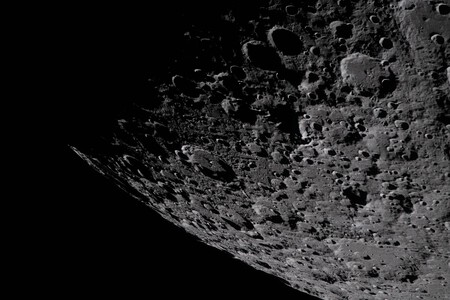
Looking at the Moon again as we are seeing it now is not something that happens every day. More than half a century after the Apollo era, Artemis II has completed its lunar flyby and it has already left a visual trail that returns us to that type of trip that we believed almost from the past. At this time, with the mission progressing as planned, NASA points out that the Orion ship would have already left the lunar sphere of influence and would have begun its way back. As we knew, there has been no moon landing, but what we have seen during these hours, those images captured by the crew, places us again in front of the Moon from a manned perspective that we have not seen for decades.
The Significance of Artemis II’s Flyby
The key takeaway from this overflight is the extraordinary imagery it has delivered. Throughout their passage through the lunar environment, the Artemis II crew has photographed the Moon at different phases of the journey, capturing both surface details and broader scenes of the surrounding space. All this material is being organized and published by NASA in their multimedia repository, where you can consult images, videos, and other content from the mission. This archive is not just a specific selection, but rather a growing resource that will continue to expand.
The Moon as We’ve Never Seen It Again
Among the material that NASA has already begun to disseminate are particularly striking scenes, with the Moon dominating the frame and the Earth visible in the background in some shots. One image conveys the scale of the trip very clearly, showcasing our planet as just a luminous sphere against the majestic Moon. The contrast between the celestial bodies stands out, surrounded by a deep black void that enhances the beauty of the scene and the unique perspective it offers.
Remarkable Details Captured
Zooming in, we discover an impressive level of detail in the images. Throughout the flyover, large craters, ancient lava flows, and surface structures such as cracks and reliefs are vividly visible. Crew members noted the differences in brightness and texture, which contribute to our understanding of the lunar terrain’s geological history.
The craters on the eastern edge of our satellite
Unique Moments of Reflection
There were also moments during the flyover that transcended still photography. As Orion passed the far side of the Moon, it temporarily lost communication with Earth. This downtime included one of the journey’s most unique events: the “Earthset,” when our planet disappeared behind the lunar horizon. Later, communication resumed, giving rise to the “Earthrise,” a moment where Earth reappeared on the other side.
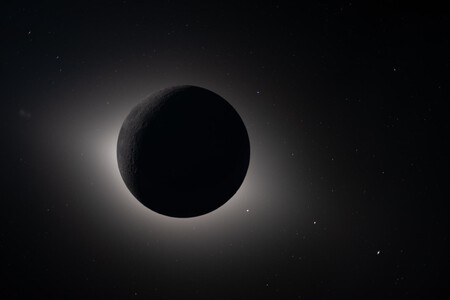
The Moon completely eclipsing the Sun
Inside Orion: A Team in Action
Not every image showcases the view from outside the spacecraft. NASA has also shared insights into the interior of Orion, capturing how crew members worked in a compact environment surrounded by screens and onboard systems. These images convey a consistent sense of activity and coordination among the astronauts as they document their experiences and adhere to the flight plan.

Here we see the astronauts capturing images through the windows of the Orion spacecraft
Looking Forward: Analysis and Insights
Although the ship has now left the lunar environment and is heading back, an exciting phase begins: analyzing all the collected material. Over the coming days, scientific teams will dive into the images, audio, and data gathered during the flyby. NASA has indicated that detailed examination will occur once the data download from Orion completes, ensuring that all insights from this significant mission can be thoroughly understood and shared.
To view the incredible imagery and updates from Artemis II, visit NASA’s [multimedia platform](https://www.nasa.gov/artemis-ii-multimedia/), where high-quality images and other content are readily accessible.
Images | NASA