
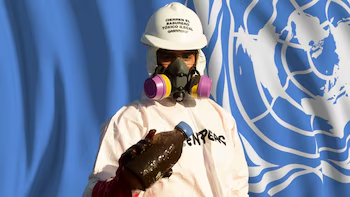
Mexico’s Growing Toxic Crisis
Mexico stands on the brink of a “toxic crisis,” as described by UN special rapporteur on toxic substances, Marcos Orellana. His findings reveal that Mexico has increasingly become a “garbage collector” for waste from the United States, highlighting alarming environmental neglect.
The Investigative Mission
During an 11-day investigative mission in Mexico, Orellana documented what he calls lax environmental regulations and a lack of governmental oversight, leading to the accumulation of hazardous materials. His observations emphasize the serious implications for public health.
Weak Regulations, Legalized Pollutants
Orellana states, “Where regulations are weak, you get legalized pollution.” This statement captures the essence of the issue; contaminants, from imported waste to toxic pesticides, are severely impacting the right of Mexican citizens to live in healthy environments. Overconsumption in America transfers waste burdens to Mexico, worsening the crisis.
Registered Contamination Zones
The National Registry of Contaminated Sites in Mexico lists over 1,000 officially registered locations. Many are deemed “sacrifice zones,” where health issues, such as cancer and miscarriages, have become commonplace.
Documented Cases of Contamination
Orellana’s preliminary report outlines several specific instances of pollution:
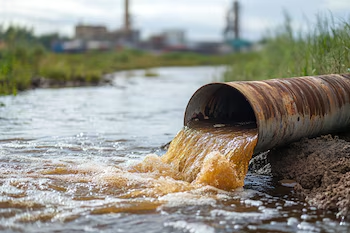
- Puebla: Factories are discharging hazardous waste into the Atoyac River.
- Yucatan: Industrial pig farms are contaminating drinking water supplies.
- Sonora: A mining spill from a decade ago still affects local communities around the Sonora River.
- Tula: Industrial operations near contaminated rivers are polluting local water bodies.
Voices from Monterrey
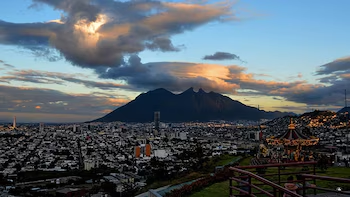
The city of Monterrey, a key manufacturing hub, faces some of the highest air pollution levels in North America. Local residents, like activist María Enríquez, report difficulties such as asthma attacks, while children regularly suffering from respiratory issues has become normalized.
Institutional Response and Future Perspectives
According to the findings, Mariana Boy Tamborrell, head of the Federal Attorney for Environmental Protection, has recognized that current regulations are inadequate. Plans are underway to update these regulations and implement a new emissions monitoring system in Monterrey.
Additionally, Senator Waldo Fernandez has proposed stricter legislation to control the imports of waste. Orellana emphasizes that the upcoming review of the free trade agreement between Mexico, the United States, and Canada is a pivotal moment to enhance environmental standards. Failing to seize this opportunity could lead to worsening conditions due to economic pressures.