
The Fish Crisis in Spain
Jana Quiles, a TikTok user, vividly captures the growing problem of declining fish consumption among young Spaniards. In a brief video, she recounts her experience at a fishmonger, highlighting her confusion and accidental purchase of €25 worth of hake. This anecdote mirrors the broader trend: Spanish households are increasingly buying less fish, a fact corroborated by government statistics.
Mercadona’s Strategy Shift
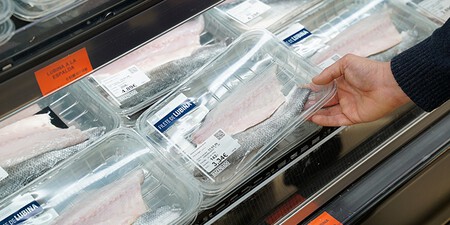
Recognizing this shift in consumer behavior, Mercadona has decided to revamp its fish sales model. The company announced its commitment to transitioning to a new fish sales format that prioritizes pre-packaged fish products. In a statement, Mercadona emphasized its commitment to freshness and quality, pledging to present all fish products in trays.
What Does This Model Look Like?
Mercadona’s new approach showcases photos of neatly packaged fish in open refrigerators, eliminating the traditional fish counter. There is no longer the option for customers to interact with fishmongers for advice or specialized cuts, marking a significant departure from the traditional shopping experience.
Evolution or Revolution?
While this shift may seem sudden, the move is part of a more extensive plan that has been in the works for over a year. The company’s aim is to optimize efficiency in its fish section by focusing on clean, packaged goods. The emphasis is now on a streamlined shopping experience for customers, who may feel overwhelmed in the traditional fishmonger setting.
Reasons for the Shift
Mercadona justifies this change by asserting a need to adapt to evolving consumer behaviors. The company argues that the key to success lies in minimizing the time from when fish is harvested to the moment it is consumed. They highlight benefits such as reduced waiting times, a selection that aligns with modern consumption habits, and products that are ready-to-eat.
Targeting a New Generation
This strategy caters to a younger demographic, many of whom are unfamiliar with traditional fish shopping practices. The case of Jana Quiles illustrates this shift; her experience underscores a generation’s struggle with ordering fresh fish, shedding light on Mercadona’s focus on packaged convenience.
Employment Impacts
Contrary to concerns that this new model may lead to job losses, Mercadona assures that its employees will not be dismissed. Instead, they will be reassigned to different roles within the store, ensuring that the knowledgeable staff remain a part of the shopping experience, albeit in a different capacity.
Broader Implications for Fish Consumption
The focus on fish may serve as a microcosm of a larger trend within Mercadona. The chain aims to redefine itself as more than just a grocery store; it aspires to be a one-stop solution for ready-to-eat meals. This vision correlates with Mercadona’s commitment not only to fish but also to sections dedicated to ready-to-eat meals.
What Lies Ahead?
The transformation isn’t limited to fish but reflects a wider retail strategy involving store efficiency and packaged merchandise. Interaction between customers and staff is decreasing, with a stronger emphasis on speed and functionality.
The Bigger Picture
This shift is not unique to Mercadona. With approximately 30% of the Spanish market share, the company’s decisions resonate widely, influencing purchasing habits across the nation. Official data indicates a worrying trend: the per capita fish consumption, both fresh and frozen, has been steadily declining in Spain.
As Mercadona pivots towards prepared foods and packaged fish, it seeks to capture a niche market amidst a changing culinary landscape. The chain appears to be setting itself up for success even as traditional fishmongers face challenges from declining sales and changing consumer habits.
Conclusion
While Mercadona’s changes may seem alarming, they are a reflection of broader societal shifts in food purchasing and consumption. The challenge lies not only in adapting to these changes but also in igniting a renewed interest in fish consumption among younger generations.