
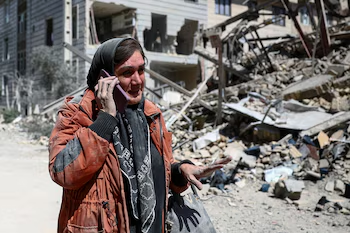
The Human Impact of War in Iran
The ongoing conflict in Iran has shattered the lives of countless families, forcing them from their homes and altering their daily existence. The routine of life has devolved into a cycle of challenging decisions and shared anxieties. Amid this turmoil, citizens continue to yearn for a semblance of normalcy, a sense of pre-war life.
Daily Life Amidst Chaos
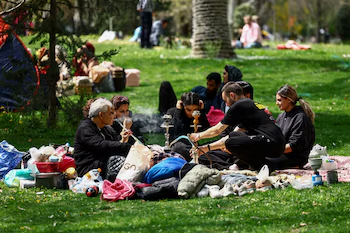
Despite the pervasive sense of dread, many Iranians are attempting to maintain their daily routines. Cafes, parks, and public spaces remain frequented, serving as venues for resistance against the backdrop of suffering. This yearning for normality is often intermixed with feelings of resignation and ennui, highlighting the complexities of living through relentless conflict.
The Regime’s Justification of War
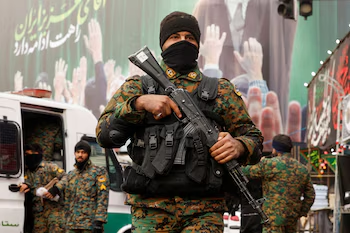
The pro-regime factions frame the ongoing conflict as a “holy” endeavor, rallying support through public events and funerals for fallen officials. Even under bombardment, these groups congregate to chant slogans, reinforcing their beliefs. Reports from social media detail nighttime patrols by pro-government men and militia, creating an atmosphere of intimidation and fear within neighborhoods.
Conflicting Perspectives on the War
The nation is experiencing a stark divide in public sentiment. Some citizens believe the ongoing attacks might lead to an end to the existing regime, while others ardently wish for violence to cease, fearing that an unchanged status quo will result from a cessation of hostilities. One individual recounted the growing family unrest during quiet periods, expressing anxiety over the regime’s persistence.
Elham, reflecting the sentiments of many, noted, “When there are no attacks, it stresses me that we are still here and that these savages are still in power.” The emotional turmoil is palpable, with the paradox summarized in a harrowing confession: “I just want them to go away, and the war too. We wanted nothing more than a normal life.”
The Fight for Normalcy
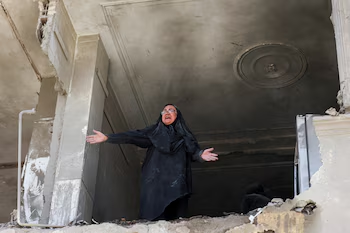
In the midst of rising insecurity, many are opting to flee urban centers, seeking refuge in rural areas where life may offer a modicum of peace. Those who remain, like Golshan in Tehran, describe nights turned into vigil, where rest is a luxury and anxiety reigns supreme as they await the next explosion.
Residents face an ongoing threat as the lack of effective warning systems amplifies their sense of vulnerability. The psychological toll is extensive, impacting children, the elderly, and adults alike. Access to medical care is limited, particularly for those escaping the hardest-hit regions.
Golshan recounted how she stopped using her building’s elevator, fearing power outages would trap her. “I avoid the elevator for fear of blackouts,” she shared, reflecting a growing sense of paranoia. Similarly, Marzieh noted that simple daily tasks have become sources of anxiety: “For many, showering has become a source of anxiety,” as fear of sudden attacks lingers.
The Personal Toll of Violence
The ramifications of conflict extend deeply into the emotional and physical well-being of families. Golnaz’s narrative, shared by the International Committee of the Red Cross, highlights this suffering. After an airstrike destroyed part of her home, she expressed, “After that, our house was no longer a safe place.” The family sought refuge with relatives, but the emotional scars lingered.
Throughout Iran, the common thread of longing for peace is evident, weaving through the stories of those impacted by violence. As residents grapple with daily strife, their voices echo a universal desire: to reclaim a life unfettered by the specter of war.