
For many households, dogs are not just pets; they are cherished family members. The deep bond shared between humans and dogs transcends typical friendships, underpinned by a companionship that’s existed for thousands of years. However, the precise origins of this unique relationship have long been a subject of scientific debate. Recent genetic studies, however, may finally shed light on this mystery.
The Groundbreaking Study
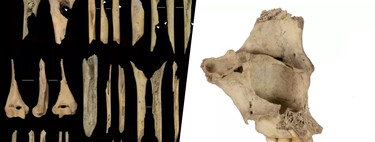
Recent publications in Nature have made significant strides in understanding dog domestication. Researchers analyzed the DNA of a puppy that lived approximately 15,800 years ago at the Pınarbaşı archaeological site in contemporary Turkey. This remarkable discovery pushes back the timeline of canine domestication by at least 5,000 years, suggesting that our alliance with wolves predated the advent of agriculture.
Understanding Pelogenetics
This discovery is a significant triumph within the field of pelogenetics. Historically, identification between wolves and early dogs relied heavily on skeletal morphology, a method rife with inaccuracies. Now, utilizing advanced genetic analysis, scientists can more accurately distinguish between the two, adding clarity to the shared history of these species.
Life of the Ancient Puppies
The site yielded the remains of three puppies. Beyond their age, the insights gained from chemical analyses reveal that these ancient canines shared a diet remarkably similar to that of the humans around them, predominantly consisting of fish. This finding is further underscored by the fact that these puppies were interred with human-like rituals, indicating a profound emotional connection between them and their human companions.
The Broadening Horizon of Domestication
The Turkish puppy isn’t an isolated case. The same study illustrated that during the Late Upper Paleolithic, domesticated dogs had already made their mark across western Eurasia. Remains discovered in Gough’s Cave, England, dated back to 14,300 years, display ritualistic practices as evidenced by perforations found on the jawbones. Surprisingly, despite the vast distance between Turkey and England, the genetic makeup of these animals shows remarkable similarities, indicating they originated from a shared population of Paleolithic dogs.
Additional Insights from Europe
In tandem, another investigation examined the remains of 200 ancient dogs across Europe, confirming the presence of a primitive dog in Kesslerloch, Switzerland, dated at 14,200 years. This study revealed that the genetic footprints of these early canines have not disappeared but rather live on in modern dogs today, lounging comfortably on our sofas.
Revising Historical Narratives
Traditionally, it was believed that animal domestication was a by-product of the Neolithic Revolution, occurring alongside the advent of agriculture. However, these studies challenge this notion, indicating that dogs descended from a lineage of ancient wolves that formed alliances with hunter-gatherers rather than settled agricultural societies.
As we learn more about the intricate histories intertwining humans and dogs, it becomes clear that our furry friends have been more than just companions; they have played a vital role in our evolution and survival.