
Racism Has No Place in Football
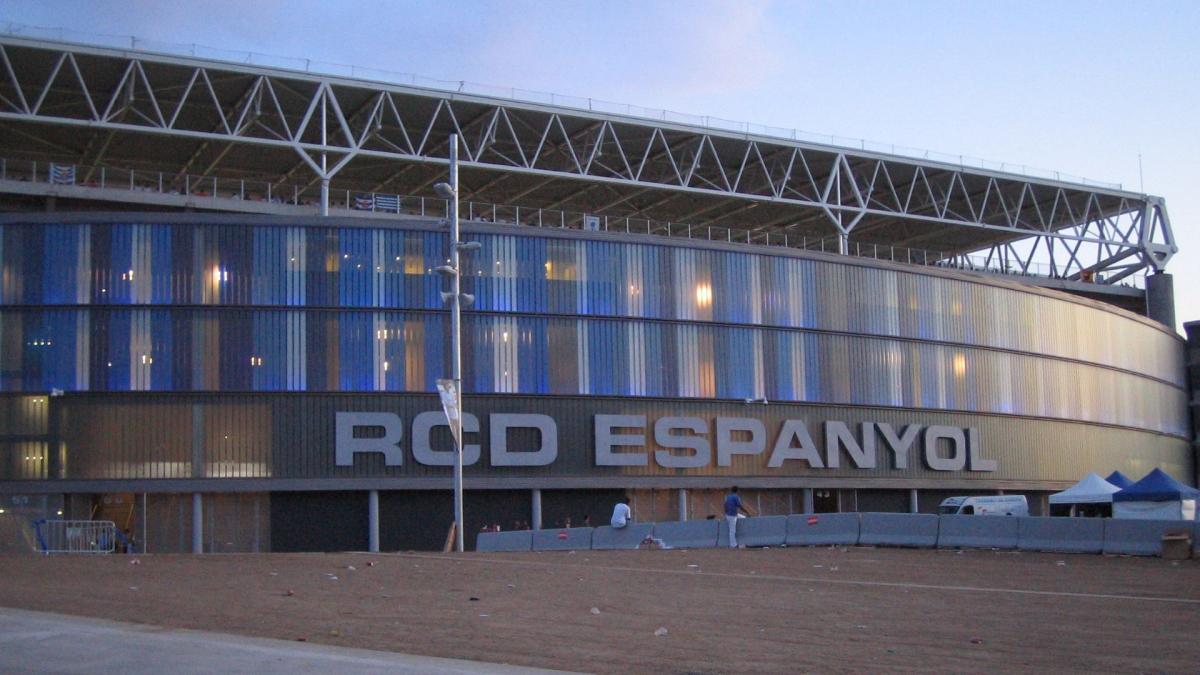
During a recent friendly match between the Spanish national team, La Roja, and Egypt, played at the RCDE Stadium, an alarming incident occurred. Some fans directed racist chants toward players, including the shocking line: “He who does not jump is Muslim.” This behavior is not only unacceptable but also reflects an ignorance that the football community must actively combat.
Espanyol’s Strong Response
In response to this disgraceful display, RCD Espanyol issued a bold official statement condemning the racist behavior witnessed during the match. The club emphasized its strong disapproval, stating, “RCD Espanyol strongly condemns the racist behavior recorded during the friendly match.” This firm stance is not merely a statement; it’s a call to action for both the football community and society at large.
Espanyol reiterated that such discriminatory actions “do not represent the values of sport” and called for these behaviors to be “firmly condemned and eradicated.” The club’s commitment to maintaining a welcoming atmosphere at the RCDE Stadium is crucial, especially in light of its historical dedication to fostering diversity and inclusion.
Addressing Misconceptions
Moreover, RCD Espanyol expressed significant concern over the “gratuitous and generalized denigration campaign” that emerged in the aftermath. The club recognized that fans of the Spanish national team come from diverse backgrounds and highlighted that the actions of a few should not tarnish the reputation of thousands. Espanyol noted, “It is deeply unfair, excessive, and disproportionate to attribute to those affected these behaviors.”
This statement serves as a reminder that generalizations can be harmful and that the actions of a minority should not speak for the collective. It also reinforces the necessity of understanding the historical and cultural richness that exists within football communities.
The Role of Football in Combating Racism
RCD Espanyol’s assertion that the RCDE Stadium “will continue to be a modern and fundamentalist venue” signifies their ongoing fight against racism. The club has made it clear that it will not tolerate any form of discrimination or hate speech. The effectiveness of these statements relies on action.
Engaging fans in educational initiatives, encouraging bystander intervention, and cooperating with authorities to prevent such incidents are vital steps that can be taken. The club’s commitment to making the stadium a “safe space” affirms its role in transforming football into a positive force for social change.
Conclusion
The recent events at the RCDE Stadium serve as a stark reminder that football still grapples with issues of racism and intolerance. However, the strong statements from RCD Espanyol reflect a growing determination to combat these issues. Through vigilance, education, and commitment to inclusivity, the football community can strive toward a future where hate has no place in the game we all love. It’s time for fans, clubs, and organizations to unite against racism and celebrate the diversity that enriches the sport.