

The Mediterranean Diet and Liver Health
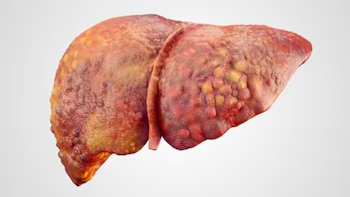
The Mediterranean diet has established itself as a premier nutritional strategy for improving liver health, particularly useful in combating fatty liver disease. This eating pattern emphasizes a high intake of fresh fruits, vegetables, legumes, whole grains, healthy fats like olive oil, and fish, all of which contribute to reducing liver fat accumulation.
Research indicates that the nutrients found in the Mediterranean diet help control inflammation and optimize metabolism, vital components for treating and preventing fatty liver. Hepatology specialists affirm that these benefits stem from the anti-inflammatory properties and beneficial fatty acids present in these foods.
The Key Components of the Mediterranean Diet
The focus on high consumption of vegetables, fruits, legumes, whole grains, and fish, along with extra virgin olive oil, forms the backbone of the Mediterranean diet. This dietary model is linked to a decline in occurrences of nonalcoholic fatty liver disease, as supported by studies published in reputable journals like The New England Journal of Medicine.
Experts emphasize that the anti-inflammatory and antioxidant properties of Mediterranean foods are crucial in mitigating the risks associated with liver fat accumulation, which can lead to severe conditions such as fibrosis and cirrhosis.
The Role of Healthy Fats
Key components like olive oil, fatty fish, and nuts offer beneficial fatty acids such as monounsaturated and omega-3, which aid in reducing liver inflammation and improving lipid metabolism. Numerous studies, including one from The Lancet, note a lower prevalence of insulin resistance among individuals adhering to this diet—an important factor connected to the development of fatty liver.
Reduced Sugar and Processed Foods
A strong emphasis on minimizing refined sugars and saturated fats contributes significantly to the Mediterranean diet’s advantages. This dietary practice prioritizes fresh, minimally processed foods that support overall health and well-being.
Complementing the Diet with Lifestyle Changes
Moreover, incorporating regular physical activity and managing body weight are also recommended to enhance the Mediterranean diet’s effectiveness in preventing and treating fatty liver. The coexistence of these healthful habits can yield significant improvements in metabolic health.

By adhering to these healthy practices along with the Mediterranean diet, individuals can significantly impact the prevention and management of fatty liver disease, marking an essential strategy in modern nutritional science.