
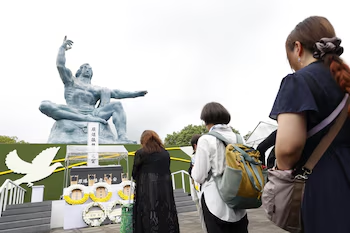
Protests from Hibakusha Ignored
The Israeli Embassy in Japan has recently sparked controversy by returning, unopened, a document from atomic bomb survivors opposing military actions against Iran. Shigemitsu Tanaka, 85, president of the Council of Atomic Bomb Survivors in Nagasaki, publicly condemned this act, emphasizing the importance of dialogue over dismissal.
The Context of the Rejection
As reported by Kyodo News, the Israeli diplomatic mission returned the letter via postal service, stating that they “refuse to accept it.” This rejection raises crucial questions about the embassy’s willingness to engage with voices advocating for peace, particularly those emanating from a history steeped in trauma and the fight against nuclear weapons.
Tanaka expressed his disappointment, stating, “The document has been returned without even being read. I think they are becoming intolerant.” This reaction resonates deeply, considering his organization’s roots in the painful legacy of the atomic bombings in 1945.
Mobilization of Survivors
The joint statement, supported by various survivors’ groups from Hiroshima and Nagasaki, called for an immediate ceasefire in the Middle East. These survivors, collectively known as hibakusha, have a historical commitment to anti-war activism and global disarmament. By sending their document to relevant embassies, these groups aimed to express their opposition to the escalating violence, particularly against Iran.
The Role of Nihon Hidankyo
Prominent among the endorsers of this statement is the Nihon Hidankyo association, a Nobel Peace Prize winner in 2024. This organization has also issued a formal petition urging an end to hostilities in the region. They criticize U.S. and Israeli actions as violations of international law, insisting on the necessity for diplomatic dialogue and adherence to humanitarian standards.
The Significance of the Hibakusha’s Voice
The atomic bomb survivors have historically played a pivotal role in raising awareness about the devastating impacts of nuclear warfare. Their messages highlight not just the past traumas but also the potential for future humanitarian crises should hostilities continue without restraint. The rejection of their outreach is not merely a diplomatic oversight; it symbolizes a broader trend of resistance to grassroots calls for peace and recognition of historical injustices.
A Call for Dialogue
The episode also underscores the challenges hibakusha face in contemporary debates regarding conflict resolution. Their testimony points to the dire consequences of military actions, making their perspectives invaluable in international discussions. Yet, when faced with diplomatic rebuffs, their ability to influence global conversations on peace and disarmament may be severely limited.
In summary, the Israeli Embassy’s rejection of the atomic bomb survivors’ document reflects a troubling trend in international diplomacy—an unwillingness to engage with critical voices advocating for peace. It raises vital questions about the openness of diplomatic channels in addressing urgent humanitarian concerns in today’s volatile geopolitical landscape.