
## The Rare Earth Dilemma in Campo de Montiel
Oil may dominate headlines, but rare earths play a critical role in technology and geopolitics today. These 17 metals—despite being labeled “rare”—are essential for countless sectors including electronics, renewable energy, and defense. China still leads the world in both production and reserves of these invaluable resources; however, Europe finds itself in a precarious position regarding its rare earth supply.
### Europe’s Quest for Rare Earths
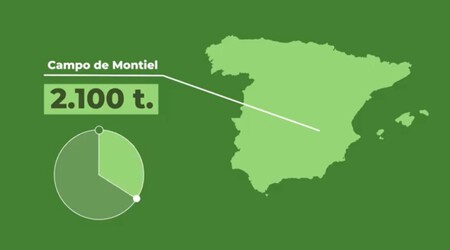
Historically, the United States was a dominant player in the rare earth market, but that era has passed. Currently, Europe does not produce its own rare earths but is actively pursuing options. One such initiative is the Per Geijer supermine in Kiruna, Sweden, which could potentially address 18% of Europe’s rare earths needs. However, another prospect lies in the Campo de Montiel region in Spain. Here, a company named Quantum Mining claims that the site could yield 2,100 tons of lanthanides annually—enough to cover approximately a third of European demand.
### Dismissal from Local Authorities
Despite the potential benefits, the Junta de Comunidades de Castilla-La Mancha has expressed no interest in moving forward with the mining project. Quantum Mining has sought permits multiple times, including a recent effort under its Neodimio project, but each request has been met with resistance from governmental authorities.
### Environmental Concerns
Local opposition is further fueled by environmental concerns. Activist groups, including the platform “Yes to the Living Land,” are heavily campaigning against mining operations in the area. Environmentalists argue that the possible ecological impact could be severe, citing the manipulation of 27,500 hectares of land. The expected water consumption for mining processes—between 310,000 and 500,000 cubic meters annually—raises additional alarms, especially given the region’s history of droughts and overexploited aquifers.
### The Community’s Stance
While Quantum Mining posits that their extraction and restoration methods would enhance the land for agriculture, public sentiment remains largely against the project. Notably, regional stakeholders, including local vineyards, have voiced their concerns about the long-term sustainability of such operations. Detractors emphasize that the ecosystem is already fragile, suggesting that any potential gains in rare earth production may not be worth the environmental costs.
### Conclusion
The struggle for rare earth extraction in Campo de Montiel encapsulates a broader narrative within Europe as it seeks to secure its supply against potent competitors like China. Yet, the path forward is fraught with debates around sustainability and community welfare. Dialogue surrounding this mining project will likely continue as Europe grapples with the balance between technological advancement and environmental stewardship.