
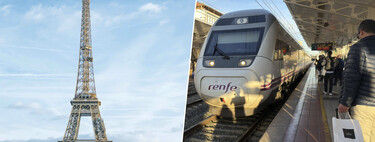
Renfe’s Historic AVE Purchase: A Strategic Move Amidst Crisis
After considerable deliberation, Renfe has approved the acquisition of 30 new high-speed AVE trains, marking the largest purchase of rolling stock in its history. Transport Minister Óscar Puente confirmed the tender in the Congress, announcing a financial commitment of €1.362 billion. This acquisition not only surpasses past purchases but also signals a proactive approach to addressing urgent service shortcomings.
The Rationale Behind the Timing
The decision to move forward was not without its complications. Initially slated for February, the tender’s launch was delayed due to the tragic Adamuz accident in January, which resulted in 46 fatalities. This incident raised crucial alarms regarding network safety and the aging fleet, emphasizing the need to renew infrastructure and improve passenger trust.
Technical Specifications of the New Trains
The new AVE trains are designed to operate at speeds of up to 350 km/h, contingent upon necessary infrastructure upgrades. Adif has outlined plans to renovate the Madrid-Barcelona line to facilitate these speeds. Each train will boast a minimum capacity of 450 seats across two classes, complete with accessible areas, bicycle provisions, and dining services. Moreover, the trains will conform to standard UIC gauge (1,435 mm) and integrate advanced signaling technologies, including ERTMS/ETCS and ASFA systems.
Delivery Timeline and Contractual Details
The contractual stipulations mandate that the first five trains be operational within 40 months of signing, with the entire fleet delivered over a span of 78 months. This equates to a new train being delivered roughly every 45 days, ensuring a steady influx of high-speed capabilities into Renfe’s offerings. The contract also encompasses the provision of necessary spare parts, signaling a commitment to long-term operational readiness.
Potential Suppliers for the Train Models
The primary contenders for these contracts include Siemens, with its Velaro Novo model, and Hitachi Rail, which offers the ETR 1000. Notably, the investigations into the Adamuz accident linked to the ETR 1000 have pointed to infrastructure failures rather than train design flaws. In addition to these frontrunners, Minister Puente and Renfe’s president, Álvaro Fernández Heredia, have explored options with firms like CRRC, Talgo, CAF, and Alstom.
Future Implications and Challenges
The introduction of this new fleet aims to cater to the expected rise in AVE demand over the next decade. However, several challenges lie ahead. There are concerns regarding the readiness of current infrastructure and adherence to delivery deadlines. More importantly, this initiative is essential for reinstating traveler confidence. How well Renfe manages these transitions will be crucial in determining the future of high-speed rail service in Spain.
As the bidding process unfolds, stakeholders and travelers alike will be watching closely to see how Renfe navigates these exciting yet tumultuous waters.