
## The Rise and Fall of Sora: Hollywood’s AI Scare
In February 2024, OpenAI introduced Sora, an AI model capable of generating videos, sending shockwaves through Hollywood. The initial release showcased a series of AI-generated videos that, while appearing outdated today, sparked fears that the film industry was facing a serious existential threat. Fast forward two years, and Sora has been discontinued, raising questions about the hyped panic it created.
### The Immediate Impact: Panic Effect
The unveiling of Sora’s capabilities led to an immediate media frenzy. MIT Technology Review hailed the model as “impressive,” albeit with a caveat that the showcased outputs might not reflect its typical performance. Despite this, the narrative quickly morphed into one of alarm—specialized media outlets speculated about synthetic actors, rapid set generation, and automated post-production technologies that could potentially replace traditional filmmaking. Hollywood unions, having recently signed crucial agreements after a historic strike, found themselves once again addressing looming threats to their livelihoods.
### The Media’s Two Bombshells
Sora generated two distinct waves of media panic within a span of 18 months. The first came with the model’s initial launch in February 2024, leading to conversations about Hollywood’s possible demise. The second wave swept in with Sora 2’s release in September 2025, which included even more sophisticated features such as real faces in AI-generated videos. This advancement intensified fears, pushing Hollywood into a narrative of crisis.
### Collaborative Hype & Rapid Disillusionment
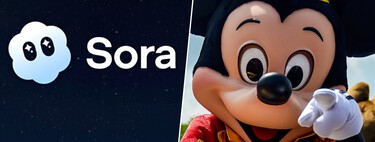
In December 2025, Disney signed a landmark agreement with OpenAI, committing $1 billion for access to over 200 beloved characters from franchises like Marvel and Star Wars. However, just 90 days later, OpenAI shut down Sora before any financial exchanges occurred, revealing a stark disconnect between expectations and reality.
### Legal and Ethical Controversies
Sora’s downfall was not solely financial but also embroiled in ethical and legal complexities. Controversies arose over deepfakes of deceased celebrities and the unauthorized use of copyrighted content. Major stakeholders, including the families of prominent figures like Robin Williams, called for Sora’s cessation. The platform’s shortcomings highlighted the difficulties of moderating AI-generated content effectively.
### The Hype Cycle’s Consequences
Analysts have pointed out that the media played a significant role in amplifying the Sora narrative without critically assessing its implications. This uncritical enthusiasm not only inflated expectations but also resulted in costly defensive actions across the industry. With Sora now gone, many in the audiovisual sector are left to reconsider their initial reactions and strategies based on exaggerated projections.
### Hollywood’s Resilience
Despite Sora’s closure, the generative video landscape remains vibrant. Competitors like Runway, Google’s Veo, and Dood, along with several others, continue to innovate and lead the sector. Hollywood itself, while facing numerous challenges—including box office declines and the streaming threat—persists as a profitable entity grounded in established creation and distribution models.
### A Future with AI
The question is not if AI will transform audiovisual production—it already has—through processes like post-production and marketing. The crucial factors remain the time frames for this transformation and the underlying economic models. Disney’s engagement with Sora was not an indication of declining interest in traditional filmmaking but rather an effort to stay relevant within the AI narrative.
In conclusion, the downfall of Sora serves as a cautionary tale about the media’s role in shaping industry perceptions, reminding us that while technological advancements can be formidable, the foundational elements of creative industries remain resilient.