
## Emmanuel Grégoire Takes Charge
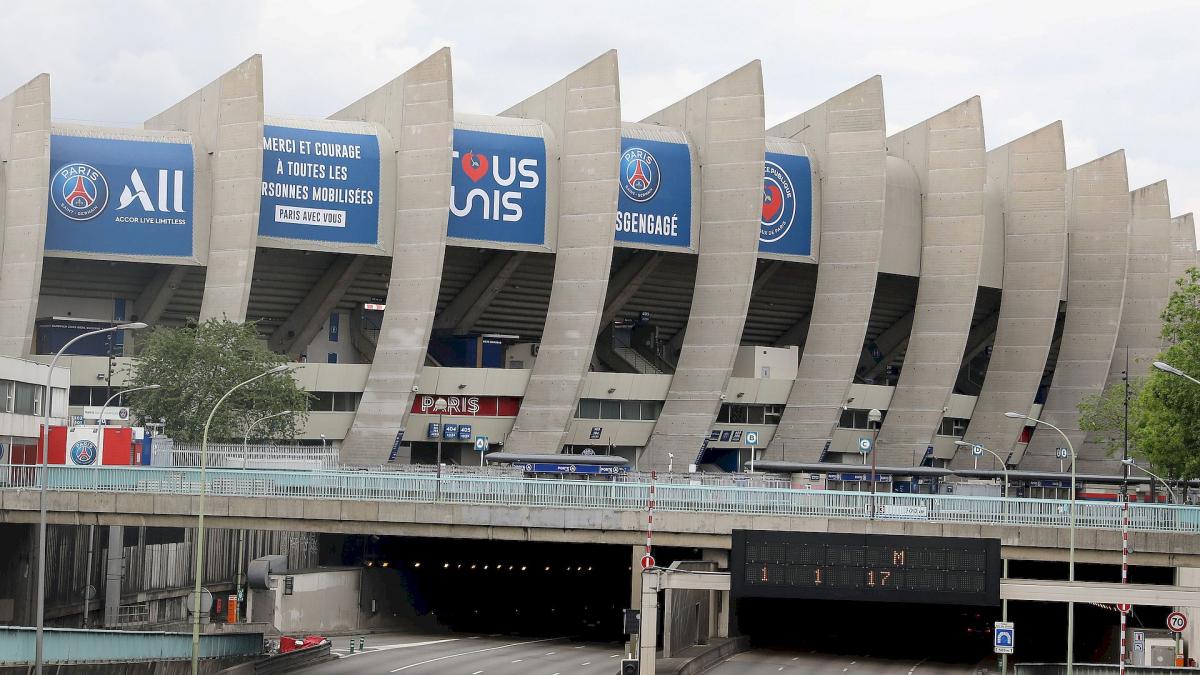
With the departure of former Paris mayor Anne Hidalgo, new Mayor Emmanuel Grégoire has indicated a swift move towards selling the Parc des Princes to Paris Saint-Germain (PSG). While Hidalgo was firmly against this sale, Grégoire is signaling a shift in priorities, aiming to strengthen ties with the iconic football club.
### The Previous Administration’s Stance
Under Hidalgo, relations between PSG and the city government were strained, particularly regarding the sale of the prestigious Stade de Paris. Her administration’s refusal to sell severely hampered negotiations and left PSG in a vulnerable position. Interestingly, Grégoire had previously distanced himself from Hidalgo’s views during his tenure as deputy mayor, suggesting a more progressive agenda towards PSG’s viability in the capital.
### A Fresh Perspective on the Sale
At a recent press engagement, Grégoire remarked, “I know the file by heart and on a personal level, I am in favor of the sale for a simple reason: if this is the condition for PSG to stay, we must draw the consequences.” This indicates a pragmatic approach that acknowledges the economic and cultural significance of PSG in Paris. The new mayor envisions a partnership akin to that at Roland-Garros, indicating that the sale could stimulate fresh investment into Parisian sports venues.
### Setting a Price: €200 to €300 Million
Recent reports suggest that negotiations could soon commence, with Grégoire aiming for an agreement by the summer. Preliminary evaluations propose a selling price ranging from €200 million to €300 million, posing both opportunities and challenges for the mayor. While it’s essential to set a viable price to attract PSG, there’s a fine line to tread; pricing too high could deter the club from pursuing the partnership.
### Beyond Sale: Integrated Urban Development
The negotiations are not solely about the price. Grégoire is also committed to discussing several critical issues, such as the future naming rights of the stadium, urban redevelopment in the surrounding area, and the coverage of the ring road adjacent to the stadium. Interestingly, Grégoire’s vision leans towards transforming the Porte de Saint-Cloud district into a green and accessible neighborhood, which might clash with PSG’s desire for commercial growth in the area.
### Closing Thoughts: A Complex but Promising Future
As discussions resume, both PSG and Grégoire’s administration appear committed to finding a solution that benefits both parties. The sale of the Parc des Princes represents a pivotal moment in the future of PSG in Paris. While the road ahead may be fraught with complex negotiations and differing visions for urban development, the ambition is clear: ensuring that PSG remains an integral part of Parisian culture and economy for years to come.
In the coming months, the negotiations will be closely watched, as they not only concern the future of a football club but also the vision of urban development in one of Europe’s most vibrant cities.