
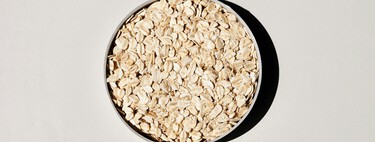
Oats have long been perceived as the go-to breakfast staple, but recent scientific findings suggest that this nutrient powerhouse is equally beneficial for dinner. As dinner presents its own set of challenges—quick preparation, satisfaction, and light digestion—oats rise to the occasion, making for a meal option that is both filling and health-conscious.
The Science Behind Oatmeal
At the heart of oats’ benefits lies beta-glucan, a type of soluble fiber that creates a viscous gel in the digestive tract. This gel-like consistency serves several crucial functions: it dramatically delays gastric emptying and glucose absorption, offering a slow release of energy. Unlike refined grains that result in quick sugar spikes followed by crashes and late-night hunger pangs, oats maintain stable blood sugar levels throughout the night.
Combatting Nighttime Snacking
If you’ve ever had a light dinner only to find yourself rummaging through the fridge a couple of hours later, oats may be your answer. Several clinical studies highlight oats’ remarkable satiating power. For example, a study published in the Journal of the American College of Nutrition evaluated 48 healthy adults who consumed just 250 calories of hydrated oats. Participants reported significantly enhanced feelings of fullness and reduced hunger for up to four hours afterward. This satisfying effect, attributed to the high molecular weight and viscosity of beta-glucan, led to an average reduction of 85 calories consumed at the following meal.
Improving Sleep Quality
High sugar levels before bedtime can disrupt metabolism and sleep quality. Here again, beta-glucan proves beneficial. The European Food Safety Authority recommends that consuming four grams of beta-glucan per meal can significantly reduce glycemic responses without triggering excessive insulin production. Studies have shown that maintaining balanced glucose levels through beta-glucan consumption can help avoid those unwanted nighttime blood sugar spikes, ensuring better sleep.
The Impact of Oats on Digestion
Although specific studies measuring the effects of oats at dinner are still limited, we know that oats have a low glycemic index, leading to smooth digestion. Furthermore, they contain tryptophan, an essential amino acid crucial for the production of melatonin and serotonin—hormones that play a critical role in regulating and enhancing sleep cycles. This makes oats not just a filling dinner option but also a smart choice for promoting restful sleep.
Making Oats a Dinner Staple
Not all oats are created equal. To reap the full benefits, steer clear of ultra-processed varieties packed with added sugars and artificial flavors. Instead, aim for whole oats combined with quality protein sources, transforming this humble grain into a balanced meal. When prepared mindfully, oats can transition effortlessly from breakfast to a healthy dinner option.
In conclusion, while oats may have been long associated with breakfast, emerging research advocates for their place at dinner. Embracing oats in your evening meal can not only stave off midnight snacking but can also enhance your sleep quality. With a few mindful choices, oats can reclaim their throne as a versatile and beneficial culinary staple.