
Extending the Life of Aircraft Carriers
Understanding the Lifespan of Nuclear Aircraft Carriers
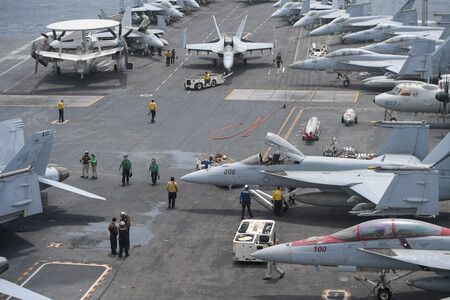
Nuclear aircraft carriers are remarkable feats of engineering, capable of operating for over 20 years without refueling. They serve as floating mini-cities, housing thousands of personnel and acting as military bases that can be deployed anywhere on the planet in a matter of days. However, these leviathans come with an expiration date, presenting significant challenges for naval strategists.
Unplanned Extensions and Strategic Decisions
The recent announcement regarding the extension of the USS Nimitz’s operational life until 2027 exemplifies a reactive approach rather than a proactive strategy. Originally intended for retirement well before this extension, the Nimitz is being kept active to fill a critical operational gap in the fleet. Such decisions reflect an adaptation to increasingly turbulent global conditions rather than a carefully mapped-out long-term strategy.
Legal Requirements and Operational Challenges
The United States Navy is mandated by law to maintain a fleet of at least 11 aircraft carriers. However, achieving this target has become increasingly challenging. The removal of a carrier like the Nimitz without a ready replacement puts pressure on the entire operational structure, making it essential to keep her in service. This need is not merely about the carrier’s own capabilities but rather about meeting legal minimums and maintaining global deployment capacity.
Industrial Delays and Depreciating Systems
The situation is further complicated by delays in the construction of the USS John F. Kennedy, the carrier meant to replace the Nimitz. Expecting completion by at least 2027 adds pressure to extend the life of aging systems and necessitates better management to ensure continuous operational capacity.
In naval operations, any delay can have ripple effects. The Nimitz’s extension signals not only a stopgap measure but also highlights a slow-paced fleet renewal process.
Intensive Use and Increased Wear
While the Nimitz remains active, the intensity of its operations has escalated. Deployments, which were typically designed for six to eight months, have become longer. This increases stress on both the ship and its crew. The USS Gerald R. Ford serves as a cautionary example after experiencing operational issues that resulted in its temporary removal from deployment.
The Domino Effect of Extended Deployments
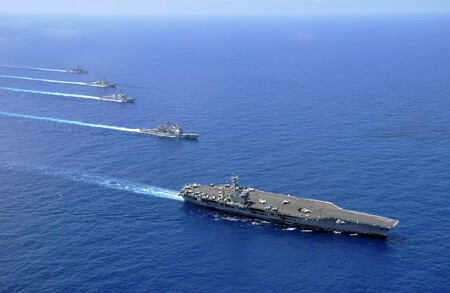
When carriers are deployed longer than anticipated, maintenance tasks can fall behind, resulting in a backlog that affects the entire fleet. This creates a domino effect where each extension or breakdown complicates subsequent rotations, ultimately reducing operational flexibility and increasing wear.
Current Geopolitical Context
The demand for aircraft carriers has never been more pressing due to ongoing conflicts in the Middle East and rising tensions in Asia. As crucial instruments of power projection, the number and availability of these carriers are vital in ensuring that the U.S. Navy can respond to multiple scenarios simultaneously.
Conclusion: A Sign of Adjustment Rather Than Strength
The decision to keep the USS Nimitz operational until 2027 is not a demonstration of naval strength but illustrates the adjustments required in an increasingly demanding landscape. These choices reflect a strategic imperative to maintain global presence even at the cost of extending the life of older vessels. The challenges faced by the fleet underscore the rising complexities in maintaining operational readiness in the 21st century.
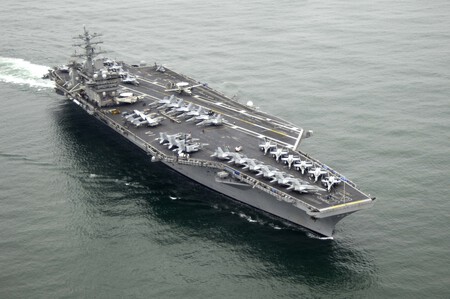
In navigating these operational challenges, the U.S. Navy must find a balance between extending the life of its existing fleet and ensuring that newer vessels are brought into service successfully and on time.