
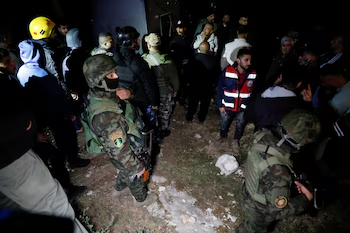
Iranian Missile Attack on West Bank Leaves Tragedy in Its Wake
A recent cluster missile attack by the Iranian regime resulted in the deaths of at least three Palestinian women and injured thirteen others in the West Bank. This tragic incident occurred on March 18, 2026, when a missile struck a beauty salon in Beit Awa, near Hebron, intensifying an already volatile situation in the region.
Details of the Attack
The missile attack was part of a barrage launched by Iran, marking the tenth volley aimed at both southern Israel and the West Bank since the escalation of conflict began. The Palestinian Red Crescent reported fluctuating casualty figures, initially citing four deaths before later confirming three fatalities and a total of thirteen injuries, one of which was critical. The strikes also affected several locations within Hebron, including the town of Deir Samit.
Medical sources have indicated that the injured were transported to multiple hospitals, including those in Hebron and Dura City. The devastation left by the missiles has heightened concerns over civilian safety in the area.
The Nature of Cluster Munitions
The Israeli military confirmed that the weapon used was a cluster missile. This type of munition disperses smaller explosives over a wide area, making interception exceedingly difficult. These missiles are particularly dangerous, as they have the potential to inflict mass casualties due to their explosive spread. This attack marked the first recorded deaths from Iranian missiles in Palestinian territories.
Context of Ongoing Conflict
This incident comes amid a broader backdrop of conflict, which has already resulted in the deaths of fourteen individuals in Israel from Iranian attacks within the first nineteen days of an ongoing war that began on February 28. While the majority of Israelis have access to protective measures such as air raid shelters, Palestinians in the West Bank often lack such resources and rely on warning systems from nearby Israeli settlements.
Rising Regional Tensions
The Iranian regime’s missile strikes have been accompanied by threats against energy infrastructure across the Gulf. Following the attack on the West Bank, Iran launched drones toward critical facilities in Qatar and the UAE, warning that any further assaults on its energy sector could trigger catastrophic consequences. Iranian President Masud Pezeshkian emphasized that such aggressive tactics would bring no benefit to the U.S. or its allies, threatening that the repercussions would be felt globally.
Conclusion
The tragic event in Beit Awa underscores the deadly consequences of the ongoing conflict, drawing attention to the plight of civilians caught in a war between larger powers. As both Iran and Israel continue to exchange hostilities, the humanitarian toll on innocent lives grows increasingly severe. The situation highlights the urgent need for international intervention to address the humanitarian crises that persist in a region beset by conflict.