
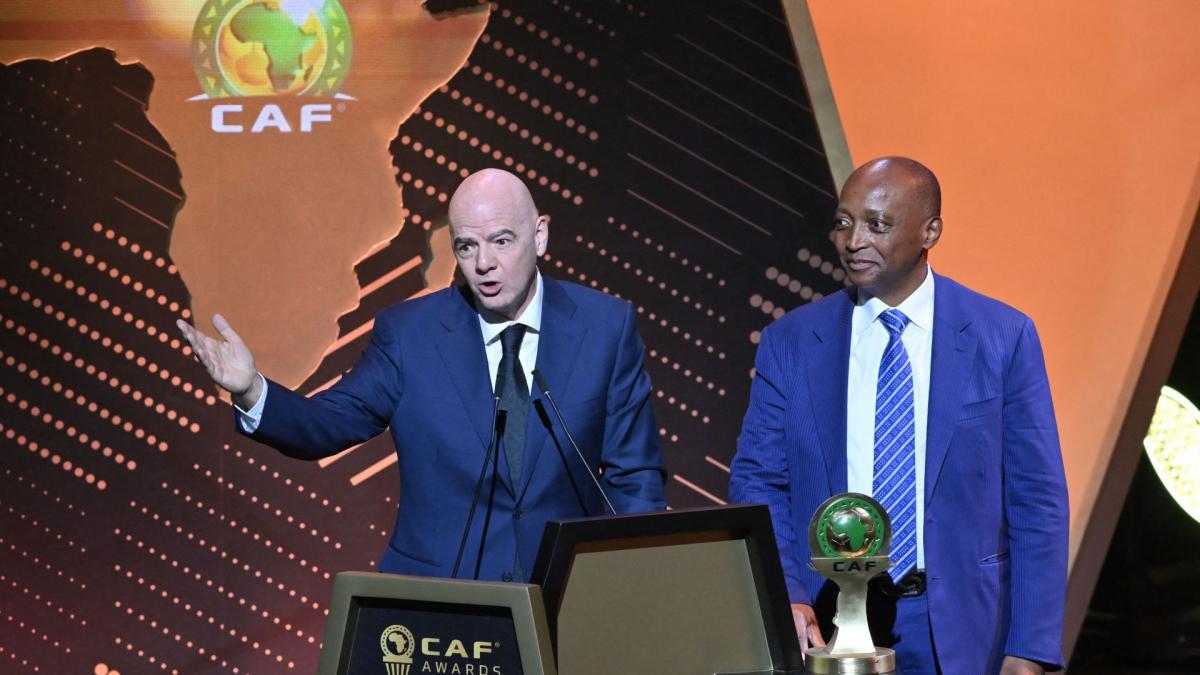
## The Fallout from CAF’s Controversial Decision
The recent ruling by the Confederation of African Football (CAF) to strip Senegal of their historic 2025 African Cup of Nations (CAN) victory has raised significant concerns about the integrity and perception of African football on the global stage. The dramatic final, which saw Senegal claim victory against Morocco in front of millions, has now been overshadowed by bureaucratic decisions that have reignited long-standing stereotypes about African football.
### The Thrill of Victory, Now a Distant Memory
In an exhilarating showdown, Senegal triumphed over Morocco in an enthralling final marked by an extraordinary penalty award, a tense atmosphere, and electrifying saves from Edouard Mendy. However, this monumental achievement has been rendered obsolete by CAF’s ruling—transforming a hard-fought win into a loss “on the green carpet,” effectively handing the title to Morocco. The audacity of this decision seems to erase a defining moment in Senegal’s football history.
This turn of events has not only angered Senegal but also raised questions about CAF’s governance and its implications for the perception of African football. For decades, the CAN was viewed through a lens of skepticism, with narratives focusing on its organizational flaws rather than the sporting passion that fuels it. While strides have been made to elevate the tournament’s status, this ruling seems to plunge it back into the shadows of past clichés.
### Lingering Damages: Repercussions on a Broader Scale
The ramifications of CAF’s controversial ruling extend far beyond the pitch. For Senegal, this decision is painful, erasing one of their proudest moments and shaking their national identity. The jubilation witnessed across Dakar post-match, filled with tears and songs, is now contrasted by a cold administrative announcement that seemingly values regulation over emotional reality. This has undermined not just Senegalese pride but has introduced doubt into the authenticity of victories earned on the field.
Interestingly, Morocco, the newly crowned champions, finds little joy in this outcome as well. With a structured football program and a desire for international recognition, lifting the trophy without a true showdown diminishes its significance. Their efforts to be seen as a contender on the world stage are complicated by a title acquired through regulatory measures rather than on-field prowess.
### The Broader Implications for African Football
CAF’s decision epitomizes a critical turning point for African football. This move comes during an era when the continent has made significant efforts to enhance its image globally. By prioritizing compliance over the spirit of the game, CAF risks alienating passionate fans and creating fractures between national federations. The perception of African football is at stake, with critics likely using this incident as fodder to question its credibility.
Debates and accusations regarding favoritism and governance are already surfacing, potentially leading to increased tensions within the federations. The clean-cut nature of CAF’s administrative decision starkly contrasts with the emotional tapestry of what unfolded in the final, leading many to believe that the organization has lost sight of the essence of football—a game rich in heritage and passion that thrives beyond mere regulations.
### Conclusion: A Call for Thoughtful Governance
In attempting to enforce administrative justice, CAF has arguably created a scenario where the heart of African football is called into question. The decision to overturn Senegal’s victory is more than an administrative error; it’s a critical misstep that jeopardizes years of progress made in reshaping the continent’s narrative in global football. Moving forward, it’s crucial for CAF to balance regulations with a respect for the game and its deep-rooted emotional connections, ensuring that African football continues to evolve and thrive on the world stage.