
### CAF’s Controversial Decision
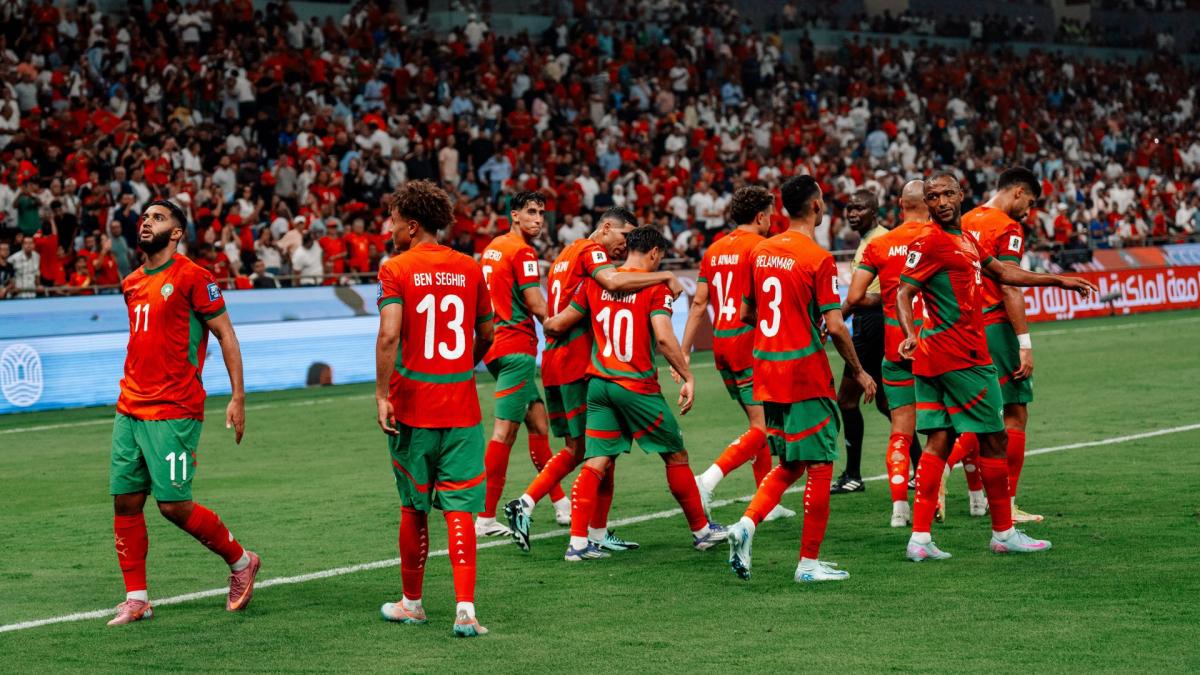
The evening news was dominated by an announcement from the Confederation of African Football (CAF) that has sent shockwaves across the continent. In a surprising turn of events, CAF declared that the trophy awarded to Senegal for their recent victory in the Africa Cup of Nations (CAN) will be withdrawn and awarded to Morocco. This decision comes in the wake of reported excesses and controversies surrounding the final match—a move that has ignited passionate discussions among fans, analysts, and football authorities alike.
### Impact on African Football
This unilateral action from CAF has left many in the football community reeling. The ramifications of this decision extend beyond just the trophy; they touch on issues of fair play, national pride, and the integrity of the sport in Africa. Senegal, who lifted the trophy merely two months ago, may contest this decision, adding to the already heated atmosphere. Football enthusiasts and analysts are keeping a close eye on how this situation will unfold, as it raises critical questions regarding governance in African football.
### France’s Recognition of Moroccan Achievement
In the wake of this announcement, the French embassy in Morocco chose to extend its congratulations to the Moroccan national team, the Atlas Lions. Their official statement read, “Congratulations to the Moroccan national team,” offering a sense of solidarity and support from France. This gesture not only boosts the morale of the Moroccan side but also underscores the importance of international relations in the realm of sports.
### Reactions from Fans and Analysts
Social media buzzed with reactions following the CAF announcement, with Moroccan fans celebrating a victory that many believe is long-deserved. Conversely, Senegalese supporters expressed feelings of betrayal, leading to debates on various platforms. Sports commentators are analyzing the deeper implications this decision could have on future tournaments and CAF’s reputation.
### The Future of African Competitions
As the situation develops, one thing is clear: the landscape of African football is undergoing scrutiny like never before. Stakeholders from different nations are calling for reforms within CAF to ensure that such controversies do not recur. There is a sense of urgency for transparent governance and equitable treatment for all teams involved.
### Conclusion
As Morocco prepares to take on its new role as the CAN titleholder, the footballing world watches closely. The recent events have not only sparked discussions about sportsmanship and governance but have also reinforced the emotional ties fans have to their national teams. Soccer, as they say, is more than just a game—it’s a reflection of national identity and pride. As the dust settles, it remains to be seen what long-term effects this decision will have on African football and its community.