
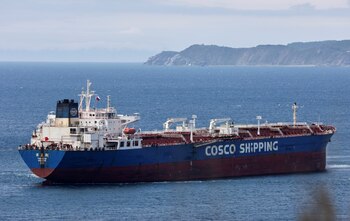
Panama Government Surprised by COSCO’s Departure from Balboa Port
The recent announcement by COSCO Shipping Lines to suspend its operations at the port of Balboa, a critical entry to the Panama Canal, has left the Panamanian government in a state of shock. Minister for Canal Affairs, José Ramón Icaza Clément, articulated the government’s surprise, acknowledging the significant implications this decision has for regional maritime traffic.
COSCO’s Decision and Its Implications
COSCO Shipping, along with its subsidiary OOCL, informed clients that they would cease operations at Balboa, effectively canceling prior reservations and redirecting logistics to other terminals in Colón. Minister Icaza emphasized that while COSCO makes up about 4% of the transshipment volume at Balboa — a figure not insignificant, given the port’s critical nature — the government remains confident in Balboa’s logistics capabilities.
The Strategic Importance of Balboa Port
The port of Balboa is essential for international shipping companies, as it handles a significant volume of containerized cargo that is integral to global trade routes. Minister Icaza noted that other major players, including Maersk, continue to operate effectively within the Panamanian port system.
Government Reactions and Future Expectations
Following COSCO’s announcement, the Panamanian government expressed hope that the company would reconsider its decision. Official statements indicated that even with COSCO’s exit, the logistical operations at Balboa would be maintained, with assurances that cargo release processes would proceed without disruptiveness.
Speculations Surrounding the Departure
While there are murmurs among analysts suggesting that COSCO’s decision could stem from political or commercial motivations, Minister Icaza refrained from speculating on this matter. Instead, he emphasized that the government remains committed to the efficient operation of its ports and has no intentions of drawing conclusions about possible diplomatic implications.
Context of Changes in Port Management
This announcement coincides with significant changes in the management of the Panamanian ports following the annulment of a longstanding concession by CK Hutchison to operate Balboa and Cristóbal ports. On February 23, 2026, these terminals were transferred back to state control, a move that has elicited diplomatic tensions with China.
Ensuring Operational Continuity
In light of COSCO’s withdrawal, the Panamanian authorities have temporarily assigned management of the Balboa port to APM Terminals, which is associated with major shipping lines, to ensure ongoing operational stability. Both the government and port authorities have reiterated that cargo operations remain unaffected, and no significant delays have been reported.
Conclusion: Panama’s Commitment to Logistics
Despite the challenges posed by COSCO’s exit, Panama continues to assert its role as a key logistics hub in the region, with a robust infrastructure supported by the Panama Canal and its Atlantic and Pacific port terminals. The government is dedicated to sustaining its high standards for maritime trade and ensuring that Panama remains one of the primary transshipment centers in the Americas.
In summary, while the sudden decision by COSCO Shipping raises questions about future operations, the Panamanian government’s firm response signals resilience and a continued commitment to maintaining a competitive advantage in global maritime trade.